If you’ve been searching for striker cars and keep running into either vague listings or prices that don’t make sense, you’re not alone. The market for these vehicles is not the most transparent place in the world, and a lot of buyers waste weeks going in circles before they find something that actually works. This post is going to cut through that.
We sell striker cars. That’s what we do. Not auction cars dressed up for resale. Not salvage titles hiding under fresh paint. Striker cars — vehicles without traditional paper titles that are priced to move, built for buyers who know what they want and don’t want to pay full retail for a car that’ll sit on a lot for three months first.
What Is a Striker Car Anyway
A striker car is a vehicle sold without a conventional title. The title might be missing, pending, or processed differently depending on how the car came into inventory. In the industry, these are sometimes called no-title vehicles, titleless cars, or no-title cars — different names for essentially the same thing. The car is real. The vehicle identification number is clean. The car just doesn’t come with the standard title paperwork that a dealer lot car would have.
At Striker Cars, we’ve been moving striker cars to buyers in dozens of countries for years. The process is not complicated once you understand what you’re working with. You’re buying the vehicle itself — the metal, the engine, the interior, the tech — and you’re handling the registration and title process in your own country or state. That’s the tradeoff. And for a lot of buyers, that tradeoff is absolutely worth it because the price difference between a striker car and a fully titled car of the same spec can be dramatic.
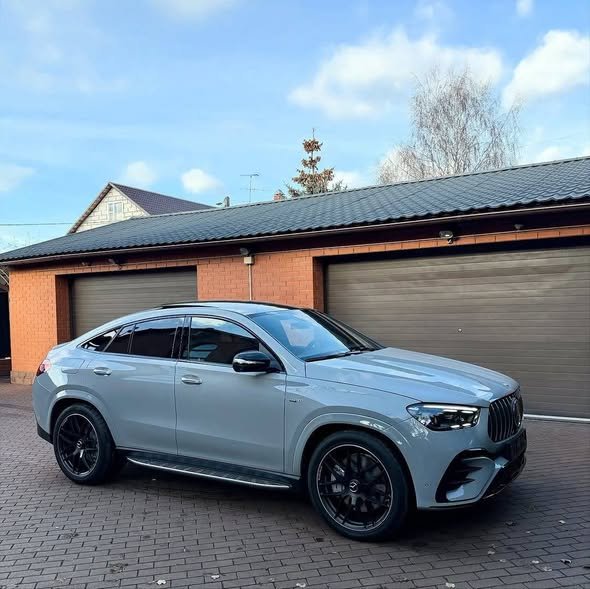
Check out some of our current inventory, like the Mercedes-AMG GLE 63 S 4MATIC+ Coupé, the 2024 Lamborghini Urus S, or the 2025 Chevrolet Corvette Z06 — all available as striker cars right now.
Why People Come to Us for Striker Cars
We didn’t build a reputation selling cars by accident. The striker cars in our inventory are listed because we’ve done the homework on each unit. Every vehicle that goes on the site has been reviewed for mechanical condition, history, and viability before it’s offered to a buyer. You’re not scrolling through mystery units. You’re looking at real cars with known conditions.
The number of people who come to us after a bad experience somewhere else is high. They found a striker car that looked right on paper, sent money, and got nothing — or got something so far from what was described that the deal turned into a nightmare. We understand that fear because we hear about it constantly. That’s why our process is different. You put down a $1,000 deposit, we confirm the vehicle, handle all logistics, and ship to your port. If something is wrong with the description of the car before it ships, we catch it before you do.
Our buyers come from North America, Europe, the Middle East, Southeast Asia, and West Africa. Striker cars move internationally all the time. The logistics around international auto shipping are very manageable when you’re working with people who do it daily. We handle the export documentation on our end. Customs and registration on your end depends on your country’s rules, which we can help you understand before you buy.
The Types of Striker Cars We Stock
Our striker car inventory is not a random grab bag. We focus on vehicles that have real demand — luxury sedans, high-performance SUVs, muscle cars, exotic cars, and heavy-duty trucks. Right now on the site you’ll find things like the 2023 Rolls-Royce Cullinan, the 2022 Lamborghini Urus, and the 2024 Ram 1500 TRX. These are not stripped-down economy cars. These are aspirational vehicles that people actually want — made available as striker cars so more buyers can realistically afford them.
The mix changes. What’s available today might be gone next week. That’s the nature of this market. When a good striker car hits the inventory, it doesn’t sit long. Buyers who know what they’re looking at move fast, and so do we. If you see something on the site that interests you, the smartest move is to reach out and ask questions rather than waiting to see if it drops in price. It won’t. And it might not be there tomorrow.
How the Striker Car Buying Process Works
The process for buying striker cars through us is more straightforward than most people expect. Here’s how it actually goes:
First, you find a vehicle on our site that interests you. You reach out — through the contact form, WhatsApp, or email — and ask whatever questions you have about the car. We answer them honestly. If we don’t know something about the vehicle, we say so rather than guessing.
If you want to proceed, you put down a $1,000 deposit. This locks the vehicle for you. We then finalize the shipping arrangement based on your location, generate the export documents, and get the striker car moved to the port for shipping. Transit time depends on where you are. Most international shipments take between two and six weeks from the time the car leaves the yard.
When the vehicle arrives at your port, you or your customs broker handles the import process and registration according to your local laws. If you’re buying in a country where striker cars are regularly imported and retitled, this process is usually very familiar to local agents. They do it all the time. You’re not the first person who’s imported a no-title vehicle.
For more context on what inspections matter when you’re buying this type of vehicle, check out our post on the Pre-Purchase Inspection Checklist for No Title Cars. It covers what to look for, what to ask about, and what red flags to avoid.
Common Questions About Striker Cars
Are striker cars legal to buy? Yes. Buying and importing a striker car is legal in most countries. The legality question applies to how you register the vehicle once it arrives. Regulations vary by country and sometimes by state or province. In many markets, vehicles without traditional titles are imported and registered through bonded title processes, VIN inspections, or similar frameworks. Your local motor vehicle authority can tell you exactly what’s required.
Can I get financing on a striker car? Most conventional lenders won’t finance a striker car because there’s no title to use as collateral. Most buyers in this market purchase outright or use alternative financing options available in their country. It’s something to sort out before you buy, not after.
What if the car doesn’t match the description? We put detailed descriptions and photos on every listing. If something is off between what we show and what’s actually on the vehicle, that’s a problem we want to know about and fix before the car ships. Our reputation is built on people coming back and sending referrals — and that doesn’t happen when we cut corners on descriptions.
Do you only sell to certain countries? No. We ship striker cars to buyers worldwide. Different countries have different import requirements, and we’re familiar with most of them. If you’re in a market we haven’t shipped to before, we’ll research the requirements together and make it work if it’s possible to do so.
Striker Cars vs. Salvage Title Cars — Not the Same Thing
A lot of buyers confuse striker cars with salvage title vehicles, and that confusion is worth clearing up. A salvage title car has a title — it’s just a title that says the car was declared a total loss by an insurance company. A striker car doesn’t have a title at all. That’s a different situation entirely.
Salvage title vehicles were typically in a significant accident or flood event severe enough for the insurer to pay out the loss rather than repair the car. The car might have been repaired afterward, but it carries that salvage designation permanently. That affects resale value, insurance rates, and sometimes financing eligibility.
Many striker cars, on the other hand, are in excellent mechanical condition. The title situation might arise from an administrative issue, a vehicle moving between states or countries during ownership, an inheritance situation, or other paperwork matters that have nothing to do with the car’s physical condition. The absence of a title doesn’t tell you anything about what the vehicle went through mechanically. For that, you look at the history report and inspection records — which is exactly what our post on How to Verify Mileage on No Title Cars walks through in detail.
If you want to dig into how to spot any potential concerns before committing to a purchase, read through our guide on How to Spot Title Washing Attempts. It’s one of the more important things to understand before buying any no-title vehicle from any seller.
What Makes Striker Cars Different from the Average Auto Dealer
Walk into any dealership and you’re buying from a place that has overhead, salespeople on commission, floor plan costs, and a lot of other expenses baked into the price of every car on the lot. By the time that vehicle reaches the sticker, you’ve paid for all of that. The dealer markup on a luxury vehicle can be significant — sometimes tens of thousands of dollars above what the vehicle is actually worth on the open market.
Striker cars sold through our platform don’t go through that system. We source vehicles directly, price them to move, and pass that value to buyers. There’s no showroom to maintain. There’s no floor manager whose approval you need to buy a car. You’re dealing with people who know the market, know the cars, and know how to move them efficiently.
This doesn’t mean every striker car is a bargain in the traditional sense. Some of these vehicles are still expensive because they’re exceptional machines. But you’re getting more car for the price than you would buying a fully titled equivalent through a conventional dealer, and that gap tends to widen the higher you go in the market.
How to Find the Right Striker Car for You
The best place to start is the shop. Browse through what’s available, look at the specs, and figure out what matters to you. If you want something specific — a particular model, year, color, or configuration — tell us. We source vehicles regularly and can sometimes find specific units that aren’t currently listed if there’s demand for them.
Don’t overthink the process. People make buying a striker car more complicated than it needs to be by worrying about things that work themselves out during the normal course of the transaction. The important things are: the car is accurately described, the price makes sense, the shipping is reliable, and the seller is responsive. We handle all of those.
Browse the full range of striker cars available right now — from the BMW 4 Series M440i xDrive to the 2023 Porsche Panamera Platinum Edition and the 2023 Mercedes-Benz SL-Class AMG SL 63. These are real cars, real prices, ready to ship.
Ready to Buy a Striker Car
If you’ve read this far, you’re probably already thinking about which striker car makes sense for you. The next step is simple: look at what’s available, reach out with your questions, and let’s move forward from there. We’re not going to pressure you. We’re not going to inflate the price the moment you show interest. We’re just going to sell you the car you want at a price that makes sense, get it to you reliably, and make sure you know what you’re getting before you commit.
That’s the striker car experience. That’s what we’re here for. And if you want to learn more about the ins and outs of buying vehicles in this category, check out our related reading on Affordable Striker Cars for Sale and the full guide to striker sports cars we stock.
For more information on vehicle title laws and registration processes for imported vehicles, the American Association of Motor Vehicle Administrators has detailed resources on title and registration frameworks across North America. For buyers in the UK, the DVLA vehicle registration guidance explains how to register a vehicle imported without standard documents.