If you’ve been looking at salvage title cars, you’ve probably noticed something: the prices look great but the questions pile up fast. What does salvage actually mean? Can you register it? Will anyone insure it? Can you even drive it legally? These are fair questions and the answers depend a lot on what you’re actually buying and who you’re buying from.
At Striker Cars, we deal in salvage title cars and no-title vehicles every single day. We ship them worldwide. Buyers come to us from Europe, the Middle East, Africa, Asia, and across the Americas. Some of them know exactly what a salvage title car is. Others are learning as they go. This post is for both types of buyers.
What a Salvage Title Actually Means
A salvage title is issued when an insurance company decides a vehicle is a total loss. That usually happens when the cost to repair the car exceeds a certain percentage of its market value — typically somewhere between 70% and 90% depending on the state or country. The car doesn’t have to be destroyed. It just has to reach that cost threshold.
So a salvage title car might have flood damage from sitting in high water, frame damage from a collision, hail damage that dented the body all over, theft recovery where the car was found after being stripped, or fire damage either partial or full.
The damage is real. That’s not the question. The question is whether the car has been repaired, what condition it’s in now, and whether the price reflects the reality of what you’re getting. With salvage title cars, the price almost always does reflect it — that’s why buyers seek them out.
Why People Buy Salvage Title Cars
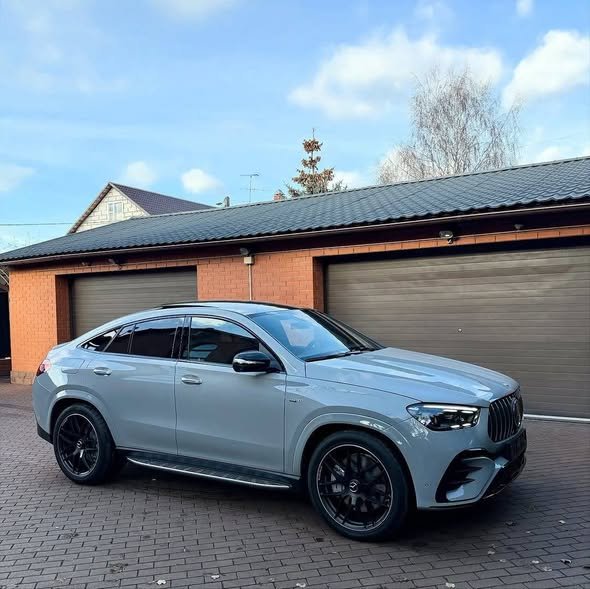
The honest answer is money. A salvage title car can be 30% to 60% cheaper than a clean title equivalent. For someone who wants a specific model — say a Mercedes-AMG GLE 63 S or a Lamborghini Urus — but can’t swing the full market price, a salvage title car opens a door that was otherwise closed.
Other buyers are mechanics or restoration specialists. They look for salvage title cars specifically because they know how to fix them, they can source parts, and they enjoy the work. The discount covers their labor and then some.
And then there are buyers in countries where the title situation matters less — where a car is registered based on its VIN, an inspection, and customs paperwork rather than a U.S. DMV title classification. In those markets, a salvage title car from the U.S. is just a used car that went through a different administrative process before export.
That’s a big part of what we do at Striker Cars. We sell salvage title cars to international buyers who understand the value in them and have the means to bring them home properly.
The Difference Between Salvage and Rebuilt
This comes up a lot. A salvage title car has been declared a total loss but not yet repaired and re-inspected. A rebuilt title car has gone through repairs and passed an inspection — the title was then changed from salvage to rebuilt or reconstructed, depending on jurisdiction.
Both are different from a clean title vehicle. And both affect insurance, resale value, and how the car can be used in certain countries. Knowing which category a car falls into matters a lot before you hand over any money.
At Striker Cars, we’re upfront about what we have. Whether it’s a salvage title car, a rebuilt unit, or a vehicle with no U.S. title at all, we tell buyers what they’re getting. There are no surprises in the paperwork because we handle it, and we’ve done this long enough to know that the only way to keep buyers coming back is to be straight with them from the start.
Can You Drive a Salvage Title Car?
In the U.S., a vehicle with a salvage title cannot be legally driven on public roads until it’s been repaired and re-inspected. Once it passes inspection and gets a rebuilt title, it can be registered and driven. Some states make this easier than others.
Internationally, the rules vary widely. Many countries don’t recognize the U.S. title classification system at all. They look at the vehicle’s VIN, its physical condition, and import paperwork. If it passes customs and a local inspection, it gets registered under local law. The salvage history is a footnote, not a barrier.
This is one reason why salvage title cars are so popular as export units. The buyer takes the salvage title car at a significant discount, ships it abroad, clears customs, passes a local inspection, and drives it. The total cost can still come in well below what a clean title equivalent would cost locally.
If you’re interested in how this works in practice, check out our post on no title cars for sale and cars without title for sale — the export process for those vehicles follows similar lines.
What to Check Before Buying a Salvage Title Car
Not all salvage title cars are equal. The damage that led to the salvage designation matters a lot. A car with hail damage is a very different proposition from one with a bent frame. Here’s what experienced buyers look at:
Damage Category
Hail and cosmetic damage are often the easiest to work with. Flood damage is trickier — water gets into electronics, wiring harnesses, and structural areas that are hard to inspect. Frame damage depends on the extent. Partial fire damage on a salvage title car can be manageable. Full fire is usually a parts-only situation.
Repair Quality
If the salvage title car has already been repaired, who did the work and how? Professional body shop work with OEM parts is one thing. Patchwork done to move the car quickly is another. Ask for photos, repair records, and if possible an independent inspection before committing.
VIN History
Run a full history report on any salvage title car you’re considering. You want to know how many times it’s been reported, what the original accident or event was, and whether the odometer looks consistent with the car’s history.
Current Mechanical Condition
Does it start? Does it run? Can you drive it onto a lift? Even if you’re buying the salvage title car for export or rebuild, knowing the current state of the engine, transmission, and suspension tells you a lot about what you’re working with. Check out our guide on OBD-II scanner reading for vehicle diagnosis — it applies directly to evaluating salvage title cars.
Salvage Title Cars and Insurance
This is where a lot of domestic buyers run into trouble. In the U.S. and many other countries, insuring a salvage title car is complicated. Standard comprehensive coverage is usually not available. You might get liability only, which limits your options significantly.
Once the car has been repaired and re-titled as rebuilt, more insurance options open up — but premiums are often higher than for clean title vehicles, and some insurers still won’t touch them.
For international buyers, this is less of a concern during the import and registration process. Local insurance is obtained once the car is registered locally, and local insurers look at the car’s current condition rather than its U.S. salvage title car history.
The Striker Cars Inventory of Salvage Title Cars
Striker Cars carries salvage title cars across a wide range of makes, models, and price points. We stock everything from everyday commuters to high-end exotics. Right now you can browse units like the 2023 Mercedes-Benz SL-Class AMG SL 63, the BMW 4 Series M440i xDrive, the 2025 Chevrolet Corvette Z06, and the 2023 Porsche Panamera Platinum Edition.
Every unit in our inventory is available with a $1,000 deposit. From there, we handle the logistics — documentation, export paperwork, port arrangements, and shipping coordination. Buyers tell us where they are and we work backward from there to figure out the most efficient way to get the salvage title car to them.
We’ve shipped to over 40 countries. We know the import requirements for most major markets. And we’ve built relationships with freight forwarders who handle the shipping side without the usual headaches.
Common Myths About Salvage Title Cars
Myth 1: A Salvage Title Car Is Always Dangerous
Not true. A properly repaired salvage title car that has passed a rebuilt title inspection is legal to drive and, in many cases, mechanically sound. The title reflects its history, not necessarily its current condition. That said, corners get cut on repairs sometimes, and that’s why inspection matters.
Myth 2: You Can’t Get Financing for a Salvage Title Car
Financing for salvage title cars is harder to find, but it exists. Some lenders specialize in non-standard vehicles. For international buyers paying in full and exporting, financing is often handled domestically in the buyer’s country once the car arrives.
Myth 3: Salvage Title Cars Are Always Cheap Junk
Walk through any high-end auto auction and you’ll find late-model Ferraris, Porsches, Range Rovers, and AMGs with salvage titles. The title reflects an insurance company’s decision, not the car’s inherent worth. Some of the best-value vehicles available today are salvage title cars written off for cosmetic or minor damage.
How the Striker Cars Process Works
You find a salvage title car in our inventory that interests you. You ask questions — about the damage, the condition, the history. We answer them straight. If you’re ready to proceed, you put down a $1,000 deposit to secure the unit. We then work on export documentation and coordinate shipping to your port of choice.
Our team has handled hundreds of these transactions. We know what documents are needed for which countries, what the common customs delays look like and how to minimize them, and how to keep buyers informed throughout the process.
Read more about how we operate in our post on what you need to know before you buy from Striker Cars and our guide to no title vehicles for sale.
Who Buys Salvage Title Cars From Striker Cars
The buyers vary more than you might expect. Some are individuals who know exactly what they want and have been waiting for the right salvage title car to come available at the right price. Others are dealers in their home country who import vehicles regularly and know that U.S. salvage title cars represent strong margin opportunities when brought into markets with fewer supply options.
We also work with mechanics, collectors, rebuild specialists, and people who just want a specific car and aren’t bothered by the title situation because they plan to export it anyway. What they all have in common: they did their homework. They understood what a salvage title car is before they bought one.
Pricing on Salvage Title Cars
Salvage title cars are priced significantly below clean title equivalents. How much below depends on the damage type, the model, and the market. As a general rule, expect discounts of 30% to 60% compared to a clean title version of the same vehicle with similar mileage and year.
For luxury and exotic salvage title cars, the dollar amounts get interesting fast. A Rolls-Royce Cullinan or a Lamborghini Urus with a salvage title can still be a substantial investment, but at a discount that makes things possible that otherwise wouldn’t be. That’s the appeal. It’s not about buying cheap — it’s about buying smart.
Additional Resources
If you want to dig deeper into how salvage titles work from a regulatory standpoint, the Insurance Institute for Highway Safety has published safety data on repaired salvage title vehicles. And the National Highway Traffic Safety Administration (NHTSA) maintains VIN lookup tools that can help verify recall and safety history on any salvage title car before you commit.
Ready to Browse Salvage Title Cars?
Salvage title cars are one of the most searched vehicle categories in the world right now, and for good reason. The value is real. The savings are real. When you buy through Striker Cars — a seller who handles the paperwork, knows the export process, and has the inventory to back it up — the experience is a lot smoother than most people expect.
Browse the current Striker Cars inventory at strikercarsall.site and reach out when you find something you like. Also check out our related posts on titleless cars for sale, title missing vehicles for sale, our affordable striker cars guide, and our post on how to spot title washing attempts.