People usually find this page one of two ways. Either they’ve already heard the term and they’re trying to figure out if it’s worth their time, or they stumbled onto a specific vehicle listing and are now backing up to understand the bigger picture. Either way, if you’re thinking about whether to buy striker cars, here’s what you actually need to know — no sales pitch, just the real shape of it.
Striker Cars exists specifically to help people buy striker cars — real vehicles, sold honestly, without the paperwork being hidden or glossed over. We’ve been doing this long enough to know what buyers actually worry about, and we’ve built our process around answering those worries directly instead of dodging them.
What You’re Actually Buying
When you buy striker cars, you’re buying a vehicle that’s real, drivable, and mechanically sound — but doesn’t come with the conventional clear title most buyers are used to. That’s the defining characteristic. It’s not a euphemism for stolen or a polite way of saying something’s wrong with the engine. It’s specifically about the paperwork trail, and the paperwork trail can be incomplete for a lot of completely ordinary reasons.
Estate situations where the original owner passed away and the family never completed a formal title transfer. Long-term storage where registration lapsed years ago and was never renewed. International imports where the vehicle never went through full local registration. Fleet vehicles sold off after a company restructured or closed. Auction purchases where the buyer never finished the titling process. These are the actual, mundane reasons most striker cars exist.
Why Buyers Choose to Buy Striker Cars
The most common reason is price. When you buy striker cars, you’re typically paying less than you would for an equivalent vehicle with a clean title, because a portion of the buyer pool automatically excludes itself — either out of caution or because they simply don’t understand the category. That reduced competition means real savings for buyers who do their homework.
The second reason is access. Some of the vehicles that end up as striker cars are genuinely rare — specific trims, low-production variants, models that have since gone out of production. You won’t find some of these at any franchise dealer regardless of what you’re willing to pay, simply because they’re not in that supply chain.
The third reason is that, for a lot of buyers, the paperwork status genuinely doesn’t matter much. Collectors who plan to display rather than drive. International buyers who’ll be registering the vehicle fresh in their own country regardless of its current status. Track-day buyers whose vehicles never see public roads. For these buyers, the savings come without much of a practical downside.
What’s Currently Available to Buy
Here’s a look at what you can buy right now, though inventory updates frequently, so the full and current picture is always on our shop page.
If you want to buy striker cars in the exotic SUV space, the 2024 Lamborghini Urus S and the 2022 Lamborghini Urus are both available now. For ultra-luxury, the 2023 Rolls-Royce Cullinan is in stock and won’t last long at this price point.
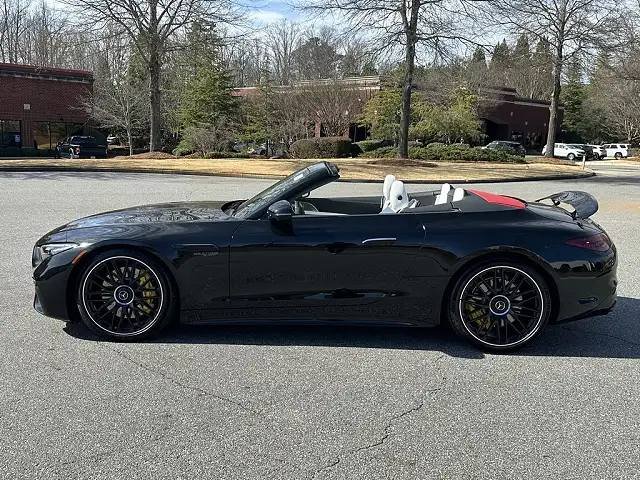
German performance buyers can choose between the Mercedes-AMG GLE 63 S 4MATIC+ Coupé, the 2023 Mercedes-Benz SL-Class AMG SL 63, the BMW 4 Series M440i xDrive, and the 2023 Porsche Panamera Platinum Edition.
And if American performance is more your speed, you can buy striker cars like the 2025 Chevrolet Corvette Z06 or the 2024 Ram 1500 TRX right now.
How to Buy Striker Cars the Right Way
Start with the vehicle itself. Ask about mileage, mechanical history, any known issues, and whether there’s photo or video documentation of the current condition. This is true whether you’re buying a striker car or any used vehicle, but it matters even more here because you’re often buying sight-unseen and shipping internationally.
Next, ask about the documentation specifically. What’s available, what isn’t, and why. A legitimate seller will explain this clearly without you having to dig for it. We do this for every vehicle we list — if you buy striker cars from us, you know the paperwork situation before you commit, not after.
Then think through what happens after the sale. If you’re planning to register the vehicle, research what your local authority requires for a vehicle without a standard title — this varies enormously by country and even by state or province, so it’s worth a few minutes of research before you commit to a purchase. If you’re not planning to register it (because it’s for display, track use, or resale in another country), this step matters less.
Finally, confirm the shipping and logistics. Ask how the vehicle will be transported, what the timeline looks like, and what documentation will travel with it. We handle this as part of every sale and keep buyers updated throughout.
What We Do Differently
Plenty of places sell vehicles with paperwork gaps. Not all of them are upfront about it. When you buy striker cars through us, the documentation status is part of the listing information, not something you discover after you’ve already paid. We check the VIN, verify what we can about the vehicle’s history, and assess the mechanical condition before anything goes up for sale.
We also don’t oversell what we don’t know. If there’s a gap in a vehicle’s history we can’t fill in, we say so. Buyers can decide for themselves whether that gap matters for their situation, but they’re deciding with accurate information rather than a polished story designed to close the sale.
Shipping Worldwide
Buyers who choose to buy striker cars from us aren’t limited to one country or region. We’ve shipped vehicles to buyers across North America, Europe, the Middle East, and Asia. Enclosed container transport is standard given the value of what we’re moving, and we coordinate the logistics so the buyer isn’t left figuring out international freight on their own.
For background on cross-border vehicle purchases generally, MotorTrend has covered international vehicle import basics in past articles — useful context if this is your first time bringing a vehicle in from outside your home country.
Common Questions Before Buyers Commit
Is it legal to buy striker cars? Generally yes, though the process for registering or using the vehicle afterward depends entirely on your local laws. We’re not able to give legal advice specific to your jurisdiction, but we can tell you what we know about each vehicle’s documentation.
Can I get insurance on a striker car? In many cases yes, though insurers vary in how they handle vehicles without a standard title. It’s worth a call to your insurer before you commit to a purchase if this matters to your plans.
What if I want to resell it later? Plenty of buyers do exactly this, particularly importers and dealers in other markets. The same paperwork considerations that applied to your purchase will generally apply to your resale.
Ready to Buy Striker Cars?
If you’ve read this far, you already understand the category better than most people who reach out to us cold. The next step is simple: browse our current inventory, find something that fits what you’re after, and contact us with your questions. We’ll answer honestly, and if a vehicle isn’t right for your situation, we’ll tell you that too.
For more on how this part of the market works, see our related posts: no title cars for sale, clean title deleted, and titleless cars for sale.