Every LS swap forum has the same thread buried somewhere in its archives: someone asking where to find a good donor vehicle instead of buying the engine loose. The replies are always some version of “check your local yards” or “watch Marketplace for a few months,” which is fine advice if you’ve got endless patience and don’t mind gambling on a stranger’s description. If you’re actually searching engine swap cars for sale because you want a verified drivetrain without the guesswork, we’ve got a more direct answer.
We’re Striker Cars. We sell striker cars, vehicles that change hands on a bill of sale instead of a state title, at prices that reflect what they mechanically are rather than what a clean paper trail would normally add to the sticker. A huge portion of our buyers are exactly the audience searching engine swap cars for sale: builders who want a donor vehicle with a proven engine, matched wiring, and a transmission that was actually calibrated to work with it, not three mismatched parts bought from three different sellers.
Why a Donor Vehicle Beats a Loose Engine for a Swap
Anyone who’s done more than one swap knows the real cost isn’t the block itself. It’s everything around it: the harness, the ECU, the accessory brackets, the flywheel or flexplate, the motor mounts, the wiring for sensors that a bare-engine listing conveniently leaves out. Buy a loose engine and you’re often piecing together a shopping list of parts from multiple vendors, hoping everything’s actually compatible, and doing a standalone tune because the factory ECU and harness weren’t part of the deal.
Buy the donor vehicle instead and all of that comes matched, because it never got separated in the first place. The harness plugs into the ECU it was designed for. The motor mounts are the ones the factory used. The wiring for the sensors is already run and terminated correctly. You’re not reverse-engineering a wiring diagram from a forum post; you’re pulling a complete, functioning system that was never disassembled to begin with.
What Makes Something a Good Engine Swap Car in the First Place
Not every damaged vehicle makes a good donor. The ideal engine swap cars for sale are ones where the damage is cosmetic, structural in a section that doesn’t touch the drivetrain, or limited to systems that don’t matter once you’re pulling the motor anyway. A rear-ended sedan with a crumpled trunk and an untouched engine bay is close to perfect. A car with hail damage across every body panel but a drivetrain that’s never had an issue is another strong candidate, since the swap builder doesn’t care what the roof looks like.
Front-end collisions require more scrutiny, and we treat them that way. We check for radiator damage, look for signs the impact reached the engine or transmission mounts, and run a cold start and load test before listing anything with frontal damage, specifically because that’s the collision type most likely to actually affect the drivetrain. We’re not going to sell you a swap candidate with a cracked block and call it a great deal. If we find something wrong, we tell you, and we price it to reflect that instead of hoping you don’t notice until it’s already on a trailer.
The Platforms Swap Builders Ask Us for Most
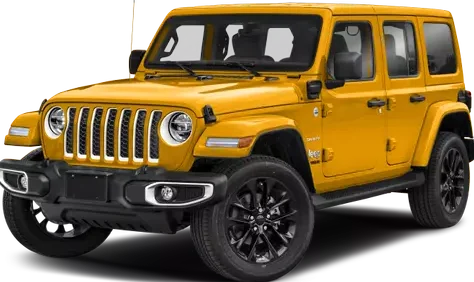
LS-family V8s remain the single most requested platform, whether it’s an LS3 out of a Camaro, an L83 out of a Silverado, or an LS2 out of an older CTS-V. Coyote 5.0s out of Mustangs are close behind, especially for builders doing a swap into an older Fox-body or a truck platform. Hemi 5.7 and 6.4 blocks come up constantly for builders working on Jeeps, older Rams, and even off-road project vehicles that want the low-end torque. BMW’s N54 and N55 turbo sixes get requested by builders doing swaps into lighter chassis where the power-to-weight math works out well, and we occasionally move AMG twin-turbo V8s to builders chasing serious horsepower who’d otherwise be priced out of that platform entirely if they tried to source the engine loose from a specialty importer.
The common thread across every one of these requests is the same: builders want the whole donor vehicle because it de-risks the project. A verified, running platform beats a mystery block every time, and engine swap cars for sale that come with the full harness and ECU save weeks of wiring headaches compared to a standalone engine with none of that included.
How the Process Works From Start to Finish
Tell us the platform you’re chasing, the generation or year range that matters for your swap, and whether the rest of the vehicle’s condition matters to you or if you’re only after the drivetrain. We check current stock honestly, and if we don’t have a fit right now, we’ll tell you instead of trying to upsell you into something that doesn’t match your build.
We send real, current photos of the actual vehicle, and a start-up video on request. Once you’re satisfied with the condition, we agree on a price and take payment: cash for local pickups, wire transfer for anything getting shipped. There’s no financing involved and no credit check standing between you and your next swap.
From there it’s pickup or freight, depending on your location. Local builders often arrange their own trailer or hire a hauler. Builders further out, including international buyers, work with a freight forwarder, and we can walk first-timers through that process since we’ve done it enough times to know where people usually get stuck.
Once the vehicle’s yours, the actual swap process is on you: pulling the engine, transmission, harness, and ECU, then dropping them into your build. Plenty of our buyers do this in a home garage over a weekend. Others bring the donor straight to a shop and let a professional handle the labor. Either way, you’re starting from a verified platform instead of a pile of separately sourced parts.
A Real Swap, Start to Finish
A customer building an off-road truck wanted a 6.4 Hemi for the torque and reliability, but every loose-engine listing he found either lacked a harness and ECU or wanted a price that assumed a full standalone tune wasn’t necessary, which it usually is when the electronics aren’t included. He found a Ram in our inventory with rear collision damage and a Hemi that had roughly fourteen thousand miles on it, still fully wired and running when we tested it.
He arranged a hauler, picked it up within the week, and pulled the engine, transmission, harness, and ECU himself over two weekends. The rest of the truck’s shell went to a local buyer who wanted it for its own parts value, offsetting his total cost even further. He ended up with a verified, low-mileage 6.4 Hemi, fully wired and ready to run, for less than several of the loose-engine listings he’d been considering, and without the standalone tuning cost those listings would have required.
Why “No Title” Doesn’t Matter for a Swap Project
A lot of buyers hesitate at the words “no title” because they’re picturing the process of registering and plating a full vehicle for road use. That’s a completely different situation from buying engine swap cars for sale to harvest the drivetrain. If your plan is to pull the engine and either scrap the shell, sell it for parts, or use the chassis for a build that never sees public roads under its original identity, the title requirements that apply to daily-driver registration mostly don’t apply to you at all.
What you need is a clear bill of sale showing you legitimately purchased the vehicle, which we provide with every deal, and that’s typically sufficient for parting out a vehicle, exporting it, or using it in a build context. We’re not lawyers and every jurisdiction has its own specifics, so we’d always tell a buyer to check their local rules if they’re unsure, but for the majority of swap builders, the “no title” part of a striker car is simply irrelevant to what they’re actually doing with it.
Shipping Donor Vehicles Worldwide
We ship well beyond our local market, which matters because a lot of serious swap culture lives outside the immediate area around any single lot. We’ve sent donor vehicles to buyers across Europe, the Middle East, and parts of Asia, working with freight forwarders on both ends to handle the logistics. A whole vehicle actually ships better than a bare engine in a lot of cases: it rides on its own wheels into a container instead of needing careful palletizing, which cuts down on the transit damage that’s common with loose, awkwardly shaped engine blocks.
None of this requires a title to leave the country. Export paperwork and a bill of sale are what customs and freight companies actually need, and we provide both with every sale, whether you’re a builder two states away or across an ocean.
Matching the Chassis to the Swap, Not Just the Engine
A good donor decision isn’t only about which engine is sitting under the hood. The chassis matters too, and builders who ignore that end up fighting the platform later. A heavier sedan donor might not be the ideal fit if your build is weight-conscious, while that same donor’s engine bay dimensions might make the actual swap easier because the factory already fit a similar-sized engine there once. A truck donor gives you a bigger bay and more clearance to work with, which matters if you’re adding a turbo setup or bigger accessories down the line, but it also means hauling home a heavier vehicle if you’re not planning to keep the shell.
We try to flag this kind of thing when a buyer tells us what they’re actually building. If someone’s doing a lightweight track build and asks about a heavy SUV donor just because it has the right engine, we’ll mention that a sedan or coupe donor with the same platform might save them headaches later, even if it means a slightly different search. We’d rather point a buyer toward the right fit than sell whatever’s sitting on the lot that day.
What to Check Before You Even Start Pulling the Engine
Once a donor vehicle lands in your driveway, a little prep before you start wrenching saves time later. Take photos of every wiring connector and bracket location before you disconnect anything, especially if you haven’t done this exact swap before. Label harness connectors as you go rather than trusting memory three weeks into the project. Check fluid levels and condition one more time now that the vehicle is in front of you, since a full inspection is easier standing next to the actual car than it was from a set of photos.
If you’re planning to keep and sell the shell afterward, pull the engine and transmission carefully enough that you don’t tear up the firewall or subframe more than necessary, since an intact shell holds more resale value than one that’s been hacked apart to save an afternoon. A lot of builders skip this step and regret it when it’s time to sell the leftover parts.
Payment and Why We Don’t Ask Builders to Gamble
We understand that sending payment for a vehicle you haven’t personally inspected feels like a risk, especially when there’s no title backing up the transaction the way there would be with a normal used car purchase. That’s exactly why we front-load the information: real, current photos, a start-up video whenever it’s requested, and straight answers about condition, mileage, and history, including anything that isn’t flattering.
Once you’re ready, payment is simple. Cash works for local pickups. Wire transfer covers anything being shipped. We don’t do financing, installment plans, or any kind of buy-now-pay-later arrangement, because a swap donor isn’t the kind of purchase that should come with monthly interest attached. You pay once, you own the vehicle outright, and there’s no lender anywhere in the chain who could complicate your project later.
Common Myths About No-Title Swap Donors
The biggest myth is that a vehicle without a title is somehow less legitimate to buy for parts than one with a clean title. For a swap project where the shell is being parted out or never registered under its own identity again, the title mostly doesn’t factor into the transaction at all. What matters is a legitimate bill of sale proving you bought it fairly, which we provide every time.
Another myth: that no-title vehicles are automatically higher mileage or lower quality. We’ve covered why that’s not true throughout this whole piece, but it bears repeating here specifically for swap builders, since the temptation is to assume a bargain price means a compromised engine. Plenty of our donor vehicles have single-digit-thousand mileage on the drivetrain despite serious cosmetic or structural damage elsewhere on the car.
A third myth: that shipping a whole vehicle internationally is more complicated than shipping loose parts. In our experience it’s usually the opposite. A vehicle rolls into a container on its own wheels and travels as a single, secured unit. Loose engine blocks need careful palletizing and are genuinely more prone to shipping damage, since a dropped or shifted crate can crack a block or bend a pan in ways that aren’t always visible until you try to install it.
Why International Swap Builders Buy From Us
Swap culture isn’t limited to any one country, and a lot of our engine swap cars for sale buyers are builders overseas who can’t easily source a specific American V8 platform locally, or who can but at a price that makes a full donor vehicle from us the more economical choice once shipping is factored in. We’ve worked with builders in Europe piecing together LS-swapped project cars, exporters in the Middle East moving complete Hemi-powered trucks, and individual buyers in Southeast Asia who wanted a verified Coyote platform without paying import broker markups on a loose engine.
For all of these buyers, the process looks the same as it does domestically: verify the vehicle through photos and video, agree on a price, arrange freight through a forwarder, and receive a complete, matched drivetrain instead of a gamble on a bare block from a source they can’t easily vet from another continent.
Questions Swap Builders Ask
Will the harness and ECU actually be included? Yes, since we sell the whole vehicle rather than parting it out before sale. Can I verify the engine runs before I commit? Yes, through a start-up video at minimum, in person if you’re local. What if the transmission doesn’t match what I need? We describe the full drivetrain in every listing so you know exactly what’s paired with the engine before you buy. Do you offer any kind of guarantee? We don’t offer a factory-style warranty, but we test what we can and disclose issues honestly rather than let you find out after the fact. Can I request a specific model or platform? Yes, tell us what you’re after and we’ll tell you what’s realistically available and when.
Budgeting a Swap Realistically
First-time swap builders tend to budget for the engine and forget everything else that has to come with it. Mounts, harness, ECU, flywheel or flexplate, exhaust manifolds, cooling components, and often a new set of sensors if the originals get damaged during removal. Price those out separately from a mix of vendors and the total climbs fast, sometimes past what the donor vehicle itself would have cost.
When you buy engine swap cars for sale from us, that whole list is already sitting there matched and intact, which means your real budgeting question becomes simpler: purchase price, transport cost, and labor if you’re not doing the pull yourself. We’ve had buyers tell us after the fact that they spent less total on a complete donor vehicle than they’d already sunk into sourcing a bare engine and its supporting parts piecemeal before they gave up and came to us instead. That’s not a coincidence. It’s what happens once you stop paying for parts one at a time and start paying for a matched system that was never taken apart.
Bottom Line
If you’ve been hunting engine swap cars for sale and getting nowhere with vague yard listings and unverifiable Marketplace posts, this is exactly the problem we built our business around solving. We sell complete, verified donor vehicles with matched engines, harnesses, and transmissions, priced around what they mechanically are instead of what a title would normally add. Tell us the platform you’re building around and we’ll tell you honestly what’s in stock, what condition it’s in, and what it’ll take to get it into your garage instead of sitting on someone else’s lot. For the full rundown of how a purchase works end to end, see Buy Striker Cars.