The term ghost title cars gets thrown around in vehicle buying circles and most people don’t fully know what it means. Some think it sounds sketchy. Others have heard it used loosely to describe any car with a murky ownership record. If you’ve run into the phrase while searching for a vehicle and wondered what you were actually looking at, this post is going to clear that up.
At Striker Cars, we deal in vehicles that fall into non-standard title categories, including what the market calls ghost title cars. We’ve shipped these vehicles to buyers in dozens of countries. We know what the terminology means, we know how buyers in different markets handle them, and we’re going to tell you straight what you need to know.
What Are Ghost Title Cars?
Ghost title cars is a term used in the vehicle market to describe cars that have a title on paper — one that looks real, has the right format, and passes basic visual inspection — but that title is either fraudulent, was generated through a loophole, or represents a vehicle identity that no longer matches the physical car.
The most common context where ghost title cars appear is title washing. This is the practice of moving a branded or salvage title vehicle through multiple state DMV systems to “wash off” the brand and obtain a clean-looking title. For example, a salvage-titled vehicle registered in one state might be retitled in a second state that doesn’t check for prior brands, and the new title comes out looking clean. The salvage history is still there in the VIN database, but the paper title doesn’t show it anymore.
Another version of ghost title cars involves vehicles where the VIN has been altered or swapped. A stolen vehicle might receive a VIN from a different car that was legitimately scrapped, giving the stolen car an apparently clean paper trail. This is the more criminal variant and it’s something buyers and law enforcement take very seriously.
It’s important to understand that at Striker Cars, we don’t sell fraudulent vehicles. Our inventory consists of no-title cars for sale and vehicles with documented non-standard paperwork situations — salvage, rebuilt, or missing title. We are transparent about what we have. Understanding ghost title cars matters because it helps buyers know what questions to ask and what to watch out for when shopping in this market.
Why Ghost Title Cars Are a Red Flag — And How Striker Cars Is Different
A legitimate seller doesn’t need to hide what they have. If someone is selling you a vehicle and the title situation doesn’t hold up to a basic VIN history check, that’s a problem. Ghost title cars in the fraudulent sense represent a real risk to buyers — you could end up owning a vehicle that can’t be legally registered, that gets seized at the border, or that law enforcement identifies as stolen.
Striker Cars works differently. We sell no-title striker cars — vehicles that genuinely don’t have a standard clean title because of their history (insurance totals, auction sales, missing paperwork), and we say exactly that. There’s no ghost title. There’s no fake documentation. What we have is a real car with a documented gap in its title chain, and we price it accordingly.
Buyers who come to us aren’t being misled into thinking they’re getting a clean title vehicle. They know what they’re buying. And in most international markets, a vehicle with properly documented “no title” status is completely importable — it doesn’t need a U.S. clean title to clear customs and get registered locally.
For more on how our vehicles work for international buyers, see our post on no title cars for sale and our guide on cars without title for sale.
How to Verify a Vehicle Is Not a Ghost Title Car
Before buying any vehicle in this market category, here’s what you should check:
Run the VIN Through a Reputable Database
A VIN check through a reliable history service will flag if the vehicle has been reported stolen, had its VIN altered, or went through a title wash in multiple states. Legitimate ghost title cars concerns will usually show up as inconsistencies between the paper title and the VIN history. If the title says clean but the VIN history shows salvage, that’s title washing. Walk away.
Check the Physical VIN
On every vehicle, the VIN is stamped in multiple locations — on the dash, door jamb, engine block, frame, and sometimes on body panels. If any of these don’t match or show signs of being tampered with, that’s a major warning sign for a stolen vehicle situation. Our guide on how to spot title washing attempts covers this in more detail.
Cross-Reference the Seller’s Documentation
Does the bill of sale match the name on the title? Does the title match the VIN on the car? Are there any gaps in the ownership chain that can’t be explained? These are the questions that separate legitimate no-title deals from ghost title car schemes.
Ask for an Independent Inspection
For any vehicle in this market category, a third-party inspection is worth the cost. Use our resource on OBD-II scanner reading for vehicle diagnosis as a starting point for understanding the mechanical side of the evaluation.
The Legitimate Market These Vehicles Serve
Despite the concerning connotations of the phrase ghost title cars, there’s a legitimate market around vehicles that don’t have standard titles. This market exists because:
Insurance companies write off vehicles that are mechanically fine. Auction houses sell cars that haven’t been properly retitled between transactions. Estate vehicles sit for years before anyone addresses the paperwork. Import/export transactions sometimes result in title gaps when U.S. paperwork is surrendered at customs and local registration hasn’t been completed yet.
None of these situations involve fraud. They just involve vehicles whose paperwork chain has a gap. At Striker Cars, this is the segment we operate in. Our vehicles are real, their condition is described accurately, and their lack of a standard title is acknowledged upfront — not hidden behind a ghost title that looks clean but isn’t.
Browse our related post on salvage title cars and our overview of clean title deleted vehicles for more context on the range of title situations in our inventory.
What Striker Cars Actually Sells
When buyers search for ghost title cars, they’re often actually looking for vehicles that exist outside the normal title system — cars they can buy at a discount because of the paperwork situation, without being deceived about what that situation actually is. That’s exactly what Striker Cars offers.
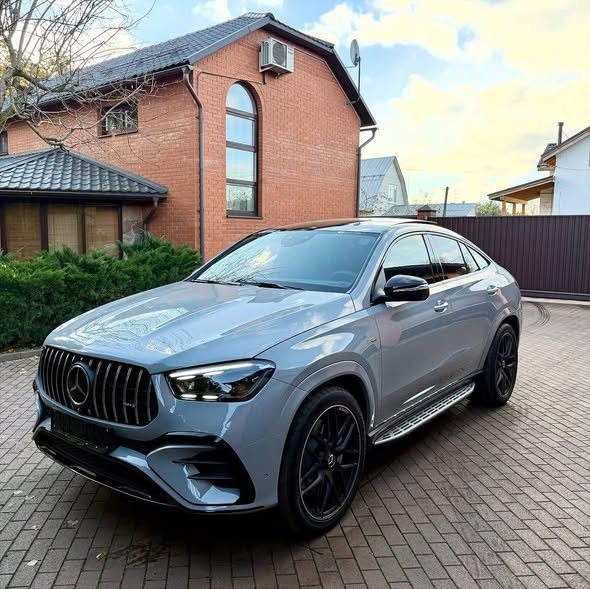
Our inventory is full of premium vehicles at discounted prices because of their title status. Right now you’ll find units like the Mercedes-AMG GLE 63 S 4MATIC+, the 2025 Chevrolet Corvette Z06, the 2023 Rolls-Royce Cullinan, and the 2022 Lamborghini Urus among many others.
Each of these vehicles has a title situation that’s clearly disclosed. None of them are ghost title cars in the fraudulent sense. They’re real cars with documented circumstances. Buyers who want to know more can ask, and we’ll tell them exactly what we have.
International Buyers and Ghost Title Cars
For buyers outside the United States, the concept of ghost title cars matters mostly as a warning about fraud — because what actually matters at customs is the VIN, the bill of sale, and the export certificate. The U.S. title system’s specific classifications don’t transfer internationally. A vehicle that clears a U.S. port with proper export paperwork and passes the destination country’s customs inspection gets registered locally based on that country’s standards.
This is why Striker Cars ships vehicles to buyers all over the world. The title situation that would make a car difficult to register in a U.S. state often has zero impact on its importability in other markets. Our buyers in Europe, the Middle East, Africa, and Asia understand this. They’re looking for the car, not the U.S. paperwork classification. And we provide the proper export documentation so that customs in their country can process the vehicle correctly.
What we don’t do is provide fraudulent documentation. We don’t manufacture ghost titles or clean-looking paperwork to cover a vehicle’s actual history. The buyers who work with us know what they’re buying. That’s the whole model.
The Difference in Practice
Here’s a practical way to understand the difference between ghost title cars and what Striker Cars sells:
A ghost title car is sold to you as something it isn’t. The seller tells you it has a clean title. You later find out the title was washed through multiple states or the VIN was swapped. You’ve been defrauded.
A Striker Cars vehicle is sold to you as exactly what it is. The title situation is disclosed, the price reflects it, and you make an informed decision with full knowledge of what you’re getting. You bring the car home, clear customs with our export documentation, and get it registered under local rules. No fraud, no surprises.
The phrase ghost title cars is worth understanding because it represents the kind of deal Striker Cars explicitly does not do. When you buy from us, you know exactly what you’re getting.
The Process at Striker Cars
If you find a vehicle in our inventory that interests you, the process is simple. Reach out with your questions. We’ll tell you about the vehicle’s history, title status, condition, and shipping options. If you’re ready to move forward, a $1,000 deposit holds the vehicle. We then prepare export documentation and coordinate shipping to your port.
We’ve shipped to over 40 countries. We know the customs requirements for most major markets. And we’ve never had a buyer receive a vehicle that wasn’t what we said it was.
Read more about how the process works in our post on what you need to know before you buy from Striker Cars and our guide to no title vehicles for sale.
Pricing on No-Title and Ghost-Category Vehicles
The vehicles in our inventory that fall into non-standard title categories — the type buyers sometimes call ghost title cars when they’re looking for alternatives to the normal market — are priced to reflect their paperwork situation. Discounts typically range from 25% to 55% below clean title equivalents, depending on the model and the specifics of the title situation.
For luxury vehicles, that discount translates directly into access. A buyer who couldn’t afford a Porsche Panamera Platinum Edition or a Lamborghini Urus S at full market value can often make the numbers work when the title situation is factored in. That’s the value proposition. The car is real. The price is real. The discount reflects the paperwork, not the quality of the vehicle itself.
Key Resources for Buyers in This Market
If you’re researching vehicles in the non-standard title category — whether you call them ghost title cars, no-title vehicles, or something else — here are some tools that are worth using before you commit:
The NHTSA recall lookup tool lets you check any VIN for open safety recalls, which matters regardless of title status. And the National Insurance Crime Bureau VIN check is one of the better free tools for flagging whether a vehicle has been reported as stolen — which is exactly the check you want to run before buying any vehicle in this category.
Final Word on Ghost Title Cars
Ghost title cars in the true sense — fraudulent titles, washed brands, swapped VINs — are something to avoid completely. They represent legal risk, financial risk, and in some cases physical safety risk if the vehicle’s actual history is hidden.
But the buyers who search for ghost title cars are often simply looking for vehicles outside the standard title system, at prices that reflect the paperwork situation. That’s a legitimate market, and it’s what Striker Cars serves.
We have premium vehicles at real discounts, with honest disclosure about what the title situation is. Browse the current inventory at strikercarsall.site. Also check out our posts on titleless cars for sale, title missing vehicles, and our full sports cars guide.