A buyer messaged us a while back and asked, half-joking, “so is striker vehicle sales even a real thing or is that just a name?” Fair question, considering how much vague language floats around in this corner of the car market. Here’s the straight version: yes, it’s real, and it’s exactly what it sounds like — the buying and selling of striker cars, handled directly, without the layers most dealerships add to a transaction.
Striker Cars runs on this model. Striker vehicle sales make up our entire business. We’re not a side operation tacked onto a regular dealership. This is what we do, full stop.
What Makes a Vehicle a “Striker Car”
The term gets used loosely sometimes, so let’s be specific. A striker car, in the context of our striker vehicle sales, is a vehicle being sold without a traditional clear title — not a stolen vehicle, not a fraud case, but a real car with a paperwork situation that doesn’t match the conventional retail model. That could mean missing title documents, registration that’s lapsed, ownership records that are incomplete, or any combination of these.
This is a recognized category in the private vehicle market, even if most buyers have never encountered it before they start looking. It exists because plenty of legitimate, valuable vehicles end up in this paperwork gray zone through estate situations, long-term storage, international import, fleet liquidation, and a dozen other real-world circumstances that have nothing to do with the car’s actual quality.
How Striker Vehicle Sales Work at Striker Cars
We source vehicles, vet them, and list them for sale directly to buyers. There’s no franchise structure, no finance department upselling extended warranties, no trade-in negotiation games. A buyer finds a vehicle they want, we answer their questions honestly, and if everything lines up, the sale happens.
The vetting step matters most here. Before any vehicle goes into our striker vehicle sales listings, we check the VIN for consistency, look at whatever documentation does exist, and assess the mechanical condition. If a vehicle’s history doesn’t add up or there’s something we can’t explain clearly to a buyer, it doesn’t get listed. That’s not a marketing claim — it’s how the inventory gets filtered before it ever reaches the website.
Current Striker Vehicle Sales Inventory
Inventory shifts regularly, but here’s a snapshot of what’s currently moving through striker vehicle sales at our site.
On the exotic end, the 2024 Lamborghini Urus S and 2022 Lamborghini Urus are both available. These are two of the fastest-moving listings we carry — strong demand, limited private supply.
The ultra-luxury segment is represented by the 2023 Rolls-Royce Cullinan, which continues to draw serious interest from buyers who know exactly what they want and aren’t shopping around.
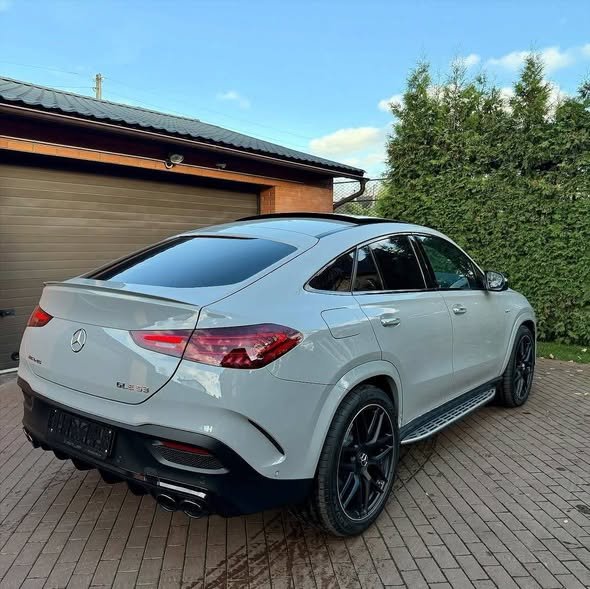
German performance is covered through the Mercedes-AMG GLE 63 S 4MATIC+ Coupé, the 2023 Mercedes-Benz SL-Class AMG SL 63, the BMW 4 Series M440i xDrive, and the 2023 Porsche Panamera Platinum Edition.
American performance rounds out current striker vehicle sales stock through the 2025 Chevrolet Corvette Z06 and the 2024 Ram 1500 TRX. The full and current list is always at our shop page.
Why Striker Vehicle Sales Exist as a Market
This market segment exists because the conventional system for selling cars wasn’t built to handle every legitimate ownership situation cleanly. A car owned by someone who passed away without clear estate documentation. A vehicle imported privately that never went through formal registration in the new country. A long-stored collector car whose paperwork was lost or never properly transferred decades ago. A fleet vehicle sold off after the operating company dissolved.
None of these situations are rare, and none of them are inherently fraudulent. But they create vehicles that don’t fit neatly into a franchise dealer’s intake process, which means those dealers simply pass on them. That’s the gap striker vehicle sales fill — buyers get access to real cars, often at prices that reflect the reduced competition from buyers who don’t understand the category, and sellers get a path to actually move a vehicle that would otherwise sit.
The Buyer’s Side of Striker Vehicle Sales
If you’re new to this market, here’s what to actually pay attention to. The price is often genuinely better than equivalent vehicles through traditional channels — that’s real, not a gimmick, and it reflects both reduced overhead on our end and reduced demand from buyers who haven’t done their homework on the category.
The vehicle itself needs to be evaluated on its own terms — condition, mileage, mechanical history — the same way you’d evaluate any used vehicle. The paperwork situation needs to be understood clearly before you commit, including what you’ll need to do in your own jurisdiction to register or title the vehicle after purchase. And the seller’s transparency matters more than almost anything else. A seller who explains the situation clearly and answers hard questions directly is a seller worth doing business with. One who’s vague or dodges specifics is a red flag, in striker vehicle sales or any other corner of the used car market.
Who Buys Through Striker Vehicle Sales
The buyer base is broader than people expect. Enthusiasts who’ve been chasing a specific model for years and finally found it at a price that works. International buyers and importers who are sourcing vehicles to bring into their own markets, where they’ll handle registration locally anyway. Collectors building or rotating a collection who care more about the vehicle’s authenticity and condition than its paperwork status. And increasingly, younger buyers who’ve done research online, understand the category, and see it as a legitimate way to get into a car that would otherwise be out of reach.
How We Handle the Logistics
Every transaction through our striker vehicle sales process includes a clear explanation of the vehicle’s documentation status before any money changes hands. We provide what paperwork we have. We’re upfront about what’s missing and what the buyer will likely need to do next, given general practices in their region — though we always recommend buyers confirm specifics with their local registration authority since requirements vary.
Shipping is handled through established freight partners for vehicles going internationally. We’ve shipped to buyers across North America, Europe, the Middle East, and parts of Asia. Enclosed transport is standard for the kind of vehicles we carry, given their value.
For readers who want a broader industry perspective on how non-standard vehicle sales work, Car and Driver has published general consumer guides on used vehicle paperwork that are useful background reading, even though they don’t address the striker category specifically.
What We’d Tell a First-Time Buyer
Ask everything. Don’t assume anything about the vehicle’s history that hasn’t been confirmed in writing. Get clear on what documentation will be provided at sale and what you’ll need to source yourself afterward. And take your time deciding — a seller who’s legitimate isn’t going to pressure you into rushing a high-value purchase.
That’s how we operate every striker vehicle sale we make. We’d rather lose a sale to a buyer who needed more time than rush someone into a transaction they weren’t fully comfortable with.
Looking at What’s Available
If striker vehicle sales are new territory for you, the easiest way to get oriented is to browse our current inventory and reach out with questions about anything specific. We answer directly, and we’ll tell you plainly if a vehicle isn’t a good fit for what you’re trying to do.
Related reading: Striker Cars for sale, ghost title cars, and off book cars — all part of how this market actually works.