Anyone who’s spent an afternoon calling around for salvage car engines for sale knows the drill. You call a yard, they put you on hold, somebody comes back and reads a mileage number off a sticker they can’t verify, and when you ask if you can hear it run before you commit, the answer is usually no, or “come down and look at it” if you happen to live nearby. Multiply that by five or six yards and you’ve burned a whole day and still don’t have a motor you actually trust. We’ve heard this complaint from enough customers that we built our whole business around a different way of doing it.
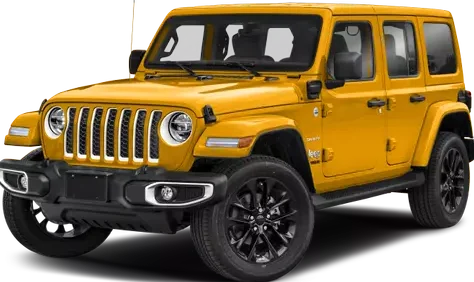
We’re Striker Cars. We don’t run a salvage yard in the traditional sense. We sell striker cars, whole vehicles sold on a bill of sale instead of a title, and a huge share of what we sell ends up getting bought specifically for the engine. The difference between us and a typical salvage yard isn’t just paperwork. It’s that you’re buying a complete, matched drivetrain still sitting in its original chassis, verified by us before it ever gets listed, instead of a bare block pulled off a shelf with a story attached that nobody can confirm.
Why “Salvage Car Engines for Sale” Searches Lead People to Frustration
The traditional salvage yard model has a structural problem: the yard’s incentive is to move inventory, not to guarantee condition. A lot of yards genuinely don’t know much more about an engine than what’s on the intake sheet from when the vehicle came in. They didn’t necessarily start it, they didn’t necessarily listen to it under load, and once it’s pulled and sitting on a shelf, there’s no way for a buyer to verify anything beyond a visual inspection and whatever the yard tells you, which may or may not be accurate.
That’s not a knock on every yard out there, some are genuinely careful. But it’s common enough that “salvage car engines for sale” has turned into a search term full of buyer horror stories: engines that seized after installation, mileage that turned out to be wildly wrong, harnesses that didn’t match and required a full rewiring job nobody budgeted for. We built our process specifically to avoid handing that same experience to another customer.
How Our Vehicles Differ From a Typical Salvage Pull
When we take in a vehicle, the engine hasn’t been pulled, tested on a stand, and shelved for months waiting for a buyer. It’s still sitting in the car, still connected to everything it was connected to at the factory: the harness, the ECU, the mounts, the cooling system, the exhaust. Before it goes up for sale, we do what checks we reasonably can. A cold start on camera. A listen at idle and under light load for knocking, ticking, or anything that sounds off. A visual check for leaks at the pan, valve covers, and timing cover. Fluid condition, where accessible.
We’re not running a dyno cell and we’re not issuing a certified inspection report with a stamp on it. What we are doing is telling you exactly what we found, including the stuff that isn’t flattering. If there’s a minor oil seep, we say so. If a check engine light came on during our test and threw a code, we tell you the code. That kind of honesty costs us the occasional sale to a buyer who wanted to hear everything was perfect, but it’s built us a customer base that comes back and sends other buyers our way, which matters more to us long-term than squeezing out one extra sale by hiding a flaw.
The Cost Comparison That Actually Matters
Here’s the number that tends to surprise first-time buyers: a striker car with a strong, verified engine is frequently priced lower than a bare salvage engine alone, pulled and crated from a traditional yard. That sounds impossible until you break down what you’re actually paying for in each scenario.
A crated salvage engine from a yard usually has labor built into the price for the pull itself, storage costs for however long it sat on a shelf, a markup for the yard’s “tested” claim, whether or not that testing was rigorous, and freight for a heavy, awkward single component that still needs its own pallet and its own shipping quote. On top of that, a lot of loose-engine listings don’t include the wiring harness or the computer, which means sourcing those separately from a different vendor and hoping everything’s actually compatible.
A striker car comes with all of that already attached, at a price set by us based on the vehicle’s overall condition rather than a per-part markup schedule. You’re getting the block, the harness, the ECU, the sensors, the transmission it was calibrated with, and a rolling chassis around all of it, frequently for less money than the loose engine alone would have cost from a traditional salvage source. We’ve laid out the same math in more detail in Cheap No Title Cars, if you want the wider comparison.
What Kinds of Engines Show Up in Our Inventory
People assume “salvage” means beat up and tired. Our inventory tells a different story. We’ve moved GM LS-family V8s out of Camaros and Silverados, Hemi 5.7 and 6.4 blocks out of Chargers and Challengers, Ford Coyote 5.0s out of Mustangs, BMW N54 and N55 turbo sixes, and AMG twin-turbo V8s that would cost a fortune to source loose from a specialty importer. These vehicles usually came to us through insurance write-offs after collision damage that had nothing to do with the drivetrain, repossessions after a missed loan payment, or private sellers who lost a title and didn’t want to deal with a bonded-title process for a car they were ready to be done with anyway.
None of those paths have anything to do with how well the engine runs. A car can be totaled for cosmetic and structural reasons and still roll off our lot with a motor that’s barely broken in. That disconnect between “salvage” and “worn out” is exactly what makes this whole category worth searching in the first place.
Buying Process, Explained Plainly
You tell us the platform you’re after, or the vehicle you have in mind, and whether you want it local or you’re open to shipping. We check current stock and tell you straight if we’ve got something that fits, instead of stringing you along with a maybe.
We send real, current photos and a start-up video if you ask for one. Not stock images, not a photo from a different unit of the same model. The actual vehicle you’d be buying.
Once you’re comfortable, we agree on a price and take payment, cash for local deals, wire transfer for anything getting shipped. No financing, no loan application, no credit check standing between you and a running engine.
From there it’s pickup or freight. Local buyers frequently arrange their own transport or hire a hauler of their choosing. For anyone further out, including international buyers, we work with freight forwarders and can walk you through the process step by step, even if it’s your first time bringing in a vehicle from overseas.
Once it’s yours, what happens next is up to you. Pull the engine and part out the rest of the shell. Keep the whole thing as a running project. Export it somewhere the rules are different. We’ve sold to first-time engine swappers doing this in their driveway and to shops that buy multiple vehicles a month specifically to harvest matched drivetrains for customer jobs.
A Real Comparison: Yard Pull Versus Striker Car
Take a common scenario: someone needs a 6.2 LS3 for a truck rebuild. Sourced from a traditional salvage yard, the listing might say “50,000 miles, runs great,” with a photo of the engine sitting on a stand and no start-up video. The buyer has no way to verify the mileage claim, no way to hear it run, and if the harness and ECU aren’t included, which is common, they’re now sourcing electronics separately and hoping for compatibility.
The same buyer finds an LS3-equipped truck in our inventory with front-end collision damage and eleven thousand verified miles on the drivetrain. We send a start-up video the same day. They wire payment, a hauler picks it up within the week, and they pull the engine, harness, ECU, and transmission themselves over a weekend. The rest of the shell gets sold to a local parts buyer, which further offsets the cost. The final price for a verified, low-mileage, fully-matched drivetrain ends up lower than what the “salvage car engines for sale” listing was asking for a bare block with an unverifiable mileage claim.
Shipping Salvage Engines the Smart Way
A crated bare engine is one of the more awkward things to ship. It’s heavy, it’s dense, and if it’s not palletized and secured correctly, rough handling can crack a block or bend an oil pan before it ever reaches the buyer. A whole vehicle, by comparison, rides on its own wheels into a shipping container or onto a roll-on/roll-off vessel, and tends to survive the trip in noticeably better shape.
We’ve shipped to buyers across Europe, the Middle East, West Africa, and Southeast Asia, coordinating with freight forwarders on both ends. None of that requires a title to leave the country. What customs and freight companies actually want is accurate export paperwork and a bill of sale, both of which we provide with every sale. Whether you’re picking up locally or importing from across an ocean, the underlying process stays the same: verify the engine, agree on a price, arrange transport.
What We Won’t Promise
We’re not going to tell you every engine we sell is flawless, because that’s not honest and it’s not how any of this actually works. We’re not a certified inspection facility, we don’t offer a factory-style warranty, and buying a striker car means taking on responsibility for registration, export, or parts-use in whatever jurisdiction you’re operating in, since we can’t speak to every state or country’s specific rules. What we will promise is that we tell you exactly what we found when we checked the vehicle, we don’t inflate mileage claims, and we don’t hide known issues to close a sale faster. That’s a lower bar than a factory warranty, but it’s a far higher bar than most of what passes for “salvage car engines for sale” listings elsewhere.
Myths About Salvage Engines That Cost Buyers Money
The biggest myth is that “salvage” automatically means “worn out.” It doesn’t. A salvage title or a no-title status gets assigned based on the vehicle’s overall damage assessment, usually driven by an insurance company deciding the cost of repair exceeds the payout threshold. That calculation almost never looks at engine health specifically. A car with a crumpled front end, a hail-damaged roof, or flood exposure limited to the interior can walk away with a salvage brand while the engine underneath never skipped a beat.
Another myth: that buying salvage means you’re on your own with zero information. That’s true of some sellers, but it doesn’t have to be true of the one you buy from. We test what we can, disclose what we find, and answer direct questions honestly, which is a different experience than getting handed a bare block with a sticky note for a history.
A third myth: that a salvage engine is somehow legally risky to own or use for parts. In most cases, using an engine for a rebuild, a swap, or a parts operation doesn’t require the same paperwork chain as registering and driving a full vehicle on public roads. The legal complexity mostly shows up if your plan is to title and plate the resulting vehicle, which is a separate question from simply buying a strong engine at a fair price.
Which Body Styles Tend to Have the Strongest Engines Relative to Damage
Not every vehicle type gives you the same odds of a strong motor behind cosmetic or structural damage. Rear-end collisions on sedans and coupes are a common source of engines with zero mechanical wear, since the impact rarely reaches the engine bay at all. Hail damage and flood-affected vehicles from the interior up are another category worth knowing about: cosmetic hail damage does nothing to a drivetrain, and even some flood cases, depending on how high the water actually got, leave the engine untouched if it was caught and dried out quickly.
Rollover vehicles are trickier and deserve more scrutiny, since fluids can shift or drain in ways that cause damage that isn’t obvious right away, which is exactly why we run a cold start and listen test rather than relying on a visual check alone. Front-end collisions are the category we look at hardest, since that’s where drivetrain damage is most likely, and it’s also where our pre-listing checks matter the most for a buyer’s confidence.
Why We Ship Worldwide Instead of Staying Local
A lot of traditional salvage yards only sell to buyers who can show up in person or arrange their own freight without any help. We built shipping into the business from the start because a huge share of the demand for salvage car engines for sale doesn’t come from twenty minutes down the road. It comes from shops overseas that can’t get factory parts at a reasonable price, from exporters who resell complete vehicles in markets where a used American V8 commands real money, and from individual buyers in countries where import rules make a whole vehicle easier to bring in than a loose engine with no chassis attached to it.
We’ve coordinated shipments to Europe, the Middle East, West Africa, and Southeast Asia, working directly with freight forwarders so a buyer who’s never imported a vehicle before isn’t left figuring out customs paperwork alone. None of this requires a title. What it requires is accurate export documentation and a bill of sale, both of which come standard with every vehicle we sell.
Common Questions
Can I see the engine run before paying? Yes, on video at minimum, in person if you’re local. How do you verify mileage? Through the vehicle’s odometer and, where available, service or accident records, and we tell you plainly when a number can’t be confirmed. What’s included with the sale? The whole vehicle: engine, harness, ECU, transmission, and everything else bolted to it, plus a bill of sale. Do you offer a warranty? Not a traditional one, but we disclose known issues honestly so you’re not guessing. Can you ship internationally? Yes, regularly, and we can walk first-time importers through the freight process.
Why Shops Buy From Us Instead of a Traditional Yard
Independent repair shops are some of our most consistent repeat buyers, and the reason comes up in almost every conversation: a bad engine costs them more than money. It costs them a comeback job, a customer relationship, and hours of labor pulling a replacement they installed in good faith. A shop that installs a salvage engine from an unverified source and has it fail two weeks later isn’t just out the cost of the part. They’re redoing the labor for free to keep the customer, and their reputation takes a hit regardless of whose fault the bad part actually was.
That’s why a lot of shops would rather pay for a verified drivetrain, still sitting in its original chassis, with a start-up video and an honest condition writeup, than gamble on a cheaper bare block with no way to confirm anything before it’s already bolted in. We’ve built relationships with several shops that now call us first whenever a customer needs an engine swap, specifically because we’ve never sent them a motor that didn’t match what we said it was.
What to Have Ready Before You Reach Out
Buyers move faster when they come in with a few specifics already worked out. Know the exact engine platform or generation you need, since small variations between years can affect compatibility for a swap. Know your budget ceiling, including what you’re willing to spend on transport, so we’re not wasting time on a vehicle that’s out of range once shipping gets added. Know whether you’re planning to keep the whole car or just pull the drivetrain, since that affects whether body condition matters to you at all. And know your timeline, since some platforms move fast and a popular engine in good condition doesn’t usually sit in our inventory for long.
Coming in with those answers ready means we can tell you within a single conversation whether we’ve got something that fits, rather than going back and forth for a week before landing on the right vehicle. If cost is the main driver, our no title cars discount guide breaks down where the real savings show up.
Bottom Line
If you’ve spent time chasing salvage car engines for sale through the usual channels and come away frustrated by vague answers and unverifiable claims, that’s the exact problem we built this business to solve. We sell striker cars, not bare parts off a shelf, which means the engine you’re buying is still sitting where it belongs, wired the way it left the factory, and checked by us before it ever gets listed. Tell us the platform you’re after and we’ll tell you honestly what we’ve got, what condition it’s in, and what it’ll take to get it running for you instead of sitting on somebody else’s shelf.