If you’ve been searching “container striker cars” trying to figure out how vehicle shipping inside a sealed box actually works, this page is written for exactly that question. We’re Striker Cars, and container shipments make up a steady part of how we move vehicles to buyers who want more protection, or more flexibility, than a roll-on/roll-off booking gives them.
A striker car is a vehicle sold on a bill of sale instead of a state title, priced around what the engine and drivetrain are worth once you strip the paperwork premium out. None of that changes how it ships. A striker car goes into a container exactly the same way any other vehicle does, and the container itself doesn’t care what’s on the paperwork, only what’s inside it.
Table of Contents
Why “Container Striker Cars” Is Its Own Search
People searching this specific phrase usually already know the basics of buying a no-title vehicle. What they want to know is how the shipping side actually works when a container is involved instead of a RoRo vessel, and whether a seller like us actually handles that regularly or just says yes to close the sale.
We do it regularly. Container shipments are a normal part of our export business, not a special request that slows everything down. We’ve loaded everything from a single sedan to three vehicles stacked and secured in one forty-foot box.
What a Striker Car Actually Is
A striker car is a vehicle sold on a bill of sale instead of a state title. No pink slip, no registration paperwork baked into the price. You’re buying the frame, the interior, and above all the engine and drivetrain, priced honestly once nobody’s charging a markup for documents.
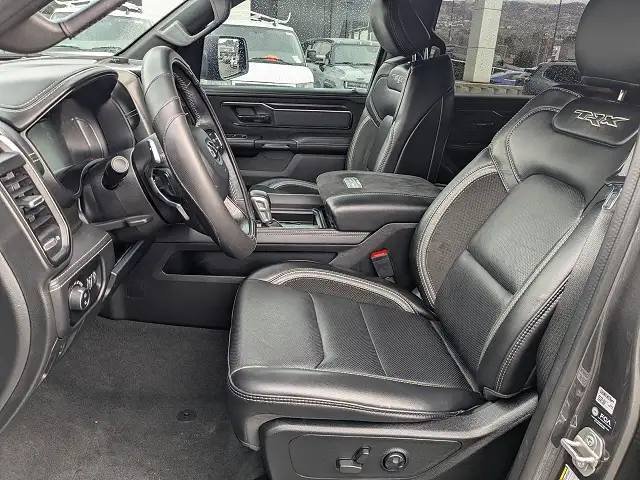
We’ve moved Mercedes-AMG models, BMW M cars, Corvettes, Rams, Challengers, and plenty of ordinary Hondas and Toyotas this way. Mechanical condition ranges from rough to genuinely excellent. What ties them together is how the sale happens, not the badge on the hood, and it has zero bearing on whether the vehicle can be containerized.
Why Buyers Choose Container Over RoRo
RoRo, where a vehicle is driven directly onto a specialized vessel, is usually the cheaper and faster option to book. Container shipping costs more, but it earns that cost back in a few specific situations that come up constantly with container striker cars.
The vehicle stays enclosed the entire voyage, protected from salt air, weather, and the general handling that comes with an open RoRo deck. That matters more for higher-value vehicles or ones with delicate trim. A container also lets you load extra cargo alongside the vehicle, spare parts, wheels, tools, sometimes even a second smaller vehicle, all under one freight cost. And some destination ports simply don’t have RoRo capability, which makes container the only practical option regardless of preference.
How Many Vehicles Actually Fit in a Container
A standard forty-foot high-cube container comfortably holds two sedans loaded nose to tail, or one larger SUV or truck depending on its dimensions. With the right racking equipment, some forwarders fit three smaller vehicles into a forty-foot container, though that adds cost and isn’t something every forwarder offers.
A twenty-foot container typically holds one standard vehicle. If you’re planning to export container striker cars in volume, a forty-foot box paired with a good forwarder usually gets you the best per-vehicle freight cost once you factor in loading equipment and labor.
The Engine Is Still the Point
Here’s what most listings never say directly: the engine is doing nearly all the work in the price, container shipment or not. A striker car with a strong, low-mileage motor and a messy title situation typically costs a fraction of what that same engine would cost pulled and crated loose from a dismantler, and you get an entire vehicle wrapped around it.
We test what we can before anything goes up for sale, compression where it’s practical, a cold-start video on request, an honest note about any smoke, knock, or leak we noticed. If something’s wrong, we say so and price it accordingly. That doesn’t change just because the vehicle happens to be headed into a box instead of onto a RoRo deck.
How Booking a Container Works With Us
First, tell us what you want, a make, a model, an engine platform, and whether you’re planning a solo shipment or want to combine vehicles into one box. We’ll tell you honestly what we have and what fits your plan.
Second, we send real photos and, on request, a start-up video. No stock images. If we don’t have current pictures of the exact unit, we say so.
Third, once you’re comfortable, we agree on a price and take a deposit. We coordinate with your freight forwarder, or one we trust, to book the container and schedule loading.
Fourth, the vehicle gets loaded, secured, and the container is sealed. You receive photos of the loaded container before it’s sealed, so you can see exactly how your vehicle was secured.
Loading and Securing the Vehicle
Inside the container, the vehicle is chocked and lashed to anchor points on the floor to prevent shifting during transit. A vehicle that isn’t properly secured can shift during rough seas, which risks damage to the vehicle and anything loaded alongside it, so this step matters more than people usually assume.
We work with loading crews who handle container striker cars regularly, not general cargo handlers doing their first vehicle load. That experience shows up in fewer damage claims and a cleaner container photo set once loading is done.
Paperwork for a Container Shipment
The paperwork is the same as any export sale: a bill of sale with the vehicle identification number, sale price, and both parties’ details. Once the container is booked on a vessel, you’ll receive a bill of lading, the document that lets you claim the container at the destination port.
None of this requires a U.S. title. Customs cares about accurate export documentation, and we prepare that as a standard part of every container booking, not an extra step buyers have to chase down separately.
Consolidating Multiple Vehicles or Parts
One of the biggest reasons buyers specifically look for container striker cars instead of RoRo is the ability to consolidate. If you’re buying two or three vehicles, or a vehicle plus spare parts, wheels, or tools, all of that can go into one container under a single freight cost.
This is especially useful for small trading outfits and repair shops who order in batches. Combining shipments into one container often cuts the per-vehicle freight cost significantly compared to shipping each one separately, and it simplifies customs clearance on your end since everything arrives together.
Container Sizes and What They Actually Hold
Standard intermodal containers come in twenty-foot and forty-foot lengths, with a “high-cube” option adding extra vertical clearance useful for taller trucks and SUVs. Most container striker cars we ship go out in forty-foot high-cube boxes, since they offer the best balance of space and cost for one or two vehicles.
Specialized flat-rack containers exist for oversized vehicles that don’t fit inside a standard box, though that’s a rarer request and carries a meaningfully higher cost. For the vast majority of sedans, trucks, and SUVs we sell, a standard container handles the job without any special equipment.
Costs Specific to Container Shipping
Container freight costs more than RoRo, typically by a meaningful margin, but the math changes when you’re shipping more than one vehicle or adding cargo. Splitting a container’s cost across two or three vehicles frequently comes out cheaper per vehicle than booking each one on RoRo separately.
Beyond the base freight rate, expect a loading fee, destination port handling charges, and whatever import duties your own country applies. We quote all of this upfront rather than letting a buyer discover extra fees once the container has already left port.
Insurance for Container Shipments
Marine cargo insurance is optional but worth considering, especially for higher-value container striker cars or shipments carrying more than one vehicle, and it’s a step we cover in more detail in our guide to overseas no title vehicles. Coverage typically runs a small percentage of the insured value and protects against damage or loss during transit, something outside anyone’s control once the vessel is at sea.
We can point you toward insurance options if you want that extra layer, though the decision is ultimately yours based on the vehicle’s value and how comfortable you are with the risk. Most of our buyers shipping a single mid-value vehicle skip it, most shipping multiple high-value vehicles in one container take it, and we won’t pressure you either direction.
Tracking Your Container
Once a container ships, most carriers provide a tracking number tied to the bill of lading that lets you follow the vessel’s progress toward your destination port. We pass that tracking information along as soon as the container is booked, so you’re not left guessing where your shipment stands.
Transit time varies by route, but once you have a tracking number, delays are usually visible well before the container is due, giving you time to plan around it on your end rather than being surprised at the port.
Mistakes Buyers Make With Container Shipments
The most common mistake is assuming container shipping is simply more expensive with no upside, and defaulting to RoRo without running the actual numbers for their specific order. If you’re shipping more than one vehicle, always ask for a container quote before assuming RoRo is cheaper.
The second mistake is not asking for loading photos before the container is sealed. A reputable seller documents exactly how the vehicle was secured. If a seller can’t or won’t provide that, treat it as a red flag.
The third mistake is underestimating destination handling time. Container cargo sometimes takes longer to clear at the destination port than a RoRo vehicle does, depending on the port’s container processing capacity, so build a little extra time into your expectations.
Choosing the Right Forwarder for a Container Booking
Not every freight forwarder handles vehicle containers with the same care. Some specialize in general cargo and treat a vehicle load like any other pallet, which is exactly how a car ends up improperly secured. When you’re booking container striker cars, ask specifically whether the forwarder has experience with vehicle loading, not just container freight in general.
A good forwarder will walk you through their securing method before you book, provide photos as a standard part of the service rather than something you have to request repeatedly, and give you a realistic transit estimate instead of an optimistic one designed to win the booking. We work with a handful of forwarders regularly for exactly these reasons, and we’re happy to make an introduction if you don’t already have one you trust.
If you do have your own forwarder, that’s fine too. We’ll coordinate directly with them on pickup timing, documentation, and loading, and we’ve found that a buyer’s existing forwarder relationship almost always makes the process smoother, since they already know how that buyer likes things handled.
A Realistic Example
A recent shipment: a buyer wanted two vehicles, a pickup and a sedan, sent to the same destination port. Shipping them separately on RoRo would have cost more combined than a single forty-foot container.
We coordinated with the buyer’s freight forwarder, loaded both vehicles into one container along with a box of spare parts the buyer requested, sent photos of the secured load before sealing, and the container shipped as one booking. The buyer’s per-vehicle cost came in well under what two separate RoRo bookings would have run.
What to Ask Before You Book
A few questions worth asking any seller offering container striker cars, us included: How is the vehicle secured inside the container? Will I receive loading photos before it’s sealed? What’s included in the freight quote versus billed separately at destination? Can multiple vehicles or extra cargo go into the same container? And who handles the bill of lading once the container is booked?
We answer all of these before you have to ask, on every container booking. If a seller can’t answer clearly, that’s worth paying attention to.
Common Questions About Container Striker Cars
Is container shipping always more expensive than RoRo?
Per vehicle, usually yes for a single vehicle, but combining two or more vehicles into one container often closes or reverses that gap.
Will I see how the vehicle was secured before the container leaves?
Yes. We send photos of the loaded, secured vehicle before the container is sealed.
Can I add spare parts or a second vehicle to my container?
Yes, and it’s one of the main reasons buyers choose container shipping over RoRo in the first place.
Do you handle the loading, or does the forwarder?
The freight forwarder’s crew handles physical loading, coordinated closely with us to make sure the right vehicle and any additional cargo go into the right container.
How long does container shipping take compared to RoRo?
Transit time is similar, but container cargo sometimes takes a bit longer to clear at the destination port depending on that port’s processing capacity.
Do I need my own freight forwarder, or can you provide one?
Either works. We coordinate with your existing forwarder or connect you with one we trust if you don’t have one yet.
Is marine cargo insurance required for container shipments?
No, it’s optional, though we’d recommend it for higher-value vehicles or multi-vehicle containers.
Why Buyers Keep Coming Back
We don’t run a one-and-done operation. A meaningful chunk of our business is repeat buyers, a trading outfit that books one container this quarter and comes back for another once the vehicles land exactly as described.
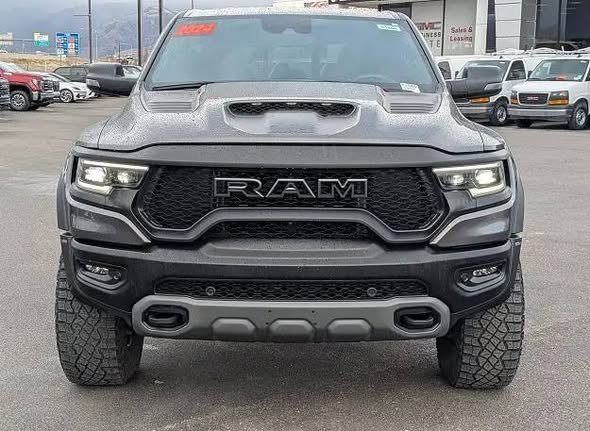
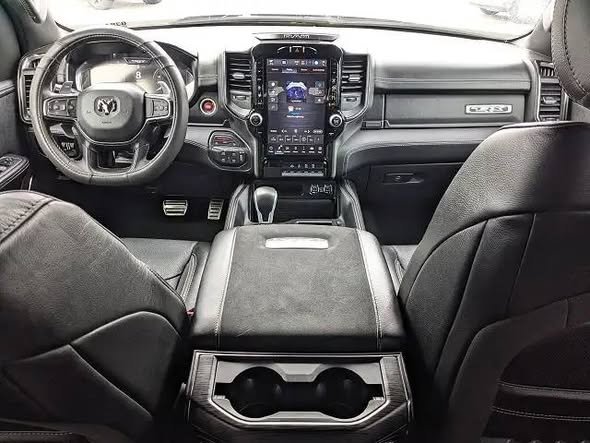
That kind of repeat business only happens if you don’t burn people the first time. We don’t inflate mileage, we don’t hide damage, and we don’t dress up a rough engine as a strong one just to close a sale faster. Take a look at what’s currently available, including vehicles like this 2021 Dodge Ram and this 2023 Charger SRT Hellcat, both of which ship well in a container.
The Bottom Line
Search “container striker cars” enough times and you’ll find plenty of generic freight explainers that never mention vehicles without a title specifically. What you won’t find as often is a seller who books containers regularly and can tell you honestly whether it’s the right call for your specific order.
That’s what we do. If RoRo makes more sense for your situation, we’ll tell you that instead of pushing a container booking that doesn’t fit. And if you’re earlier in the process and still deciding how to export in the first place, our guide to exporting striker cars covers the full picture. If you’re ready to talk specifics, reach out and we’ll tell you exactly what’s in stock and what it’ll take to get it to your port, no title required.