If you’ve been searching “export striker cars” trying to figure out whether a seller will actually work with you as an international buyer, the answer is yes, and this page is written specifically for you. We’re Striker Cars, and export buyers make up a real, steady part of our business, not an afterthought we handle when someone happens to ask.
A striker car is a vehicle sold on a bill of sale instead of a state title, priced around what the engine and drivetrain are worth once you strip the paperwork premium out. None of that stops it from leaving the country. What customs and freight companies actually ask for is export paperwork and a bill of sale, and that’s exactly what comes standard with every vehicle we sell.
Table of Contents
Why “Export Striker Cars” Is a Real Search, Not a Loophole
People assume exporting a vehicle without a title must involve some gray-market workaround. It doesn’t. A U.S. title is a state document that governs domestic registration. It has nothing to do with customs law, which cares about the bill of sale, the vehicle identification number, and correct export filing.
We get this search constantly from buyers who found a strong-engine vehicle at a fair price and just want confirmation that yes, they can actually export striker cars legally and get them home. They can, and we do it every week. Whether it’s a single vehicle for a private buyer or a batch order for a small trading outfit, the process is the same, and we walk every export buyer through it the same honest way.
What a Striker Car Actually Is
A striker car is a vehicle that changes hands on a bill of sale instead of a state title. No pink slip, no registration paperwork baked into the price. You’re buying the frame, the interior, and above all the engine and drivetrain, priced honestly once nobody’s charging a markup for documents.
We’ve moved Mercedes-AMG models, BMW M cars, Corvettes, Rams, Challengers, and plenty of ordinary Hondas and Toyotas this way. Condition ranges from rough to genuinely excellent. What ties every one of them together is how the sale happens, not the badge on the hood.
Who Exports Striker Cars, and Why
Three groups make up most of our export business. Small trading outfits who buy several vehicles at a time and resell them once they land, often specializing in one or two brands they know sell well locally. Independent repair shops overseas who’d rather import a whole running vehicle than gamble on a loose engine from a broker with no start-up video. And individual buyers who found a specific model at a price they couldn’t get locally and are willing to handle the shipping themselves.
What all three have in common is that they’re not first-time importers, usually. They know roughly what freight should cost, they know to ask for a start-up video, and they can tell within a few messages whether a seller who claims to export striker cars actually has the process down or is winging it. We’d rather earn that trust with real photos and a straight answer than lose a sale to a seller who overpromises and underdelivers.
The Engine Is the Export Product
Here’s what most listings never say directly: the engine is doing nearly all the work in the price. A striker car with a strong, low-mileage motor and a messy title situation typically costs a fraction of what that same engine would cost pulled and crated loose from a dismantler, and you get an entire vehicle wrapped around it, wiring harness, computer, mounts, all matched and ready.
We test what we can before anything goes up for sale, compression where it’s practical, a cold-start video on request, an honest note about any smoke, knock, or leak we noticed. If something’s wrong, we say so and price it accordingly, because a customer who gets exactly what was described comes back for the next vehicle.
How Exporting Works With Us, Start to Finish
First, tell us what you’re after, a make, a model, an engine platform, a budget, and your destination port. We’ll tell you honestly what we have and whether it’s a good fit for shipping to you.
Second, we send real photos and, on request, a start-up video. No stock images, ever. If we don’t have current pictures of the exact unit, we say so instead of reusing an old listing shot.
Third, once you’re comfortable, we agree on a price and take a deposit, usually by wire. No financing, no credit checks, no dealership add-ons buried in the paperwork.
Fourth, we prepare export documents and hand the vehicle to your freight forwarder, or connect you with one we trust if you don’t have one yet. We’ve walked plenty of first-time exporters through this exact step.
Paperwork You Actually Need to Export
Every export starts with the bill of sale, showing the vehicle identification number, sale price, and both parties’ details. That’s the core document customs works from when a striker car leaves the country.
Depending on the vehicle’s history, there may also be a salvage certificate or an insurance total-loss letter. Sometimes there’s genuinely nothing beyond our own sale record, and we say so upfront rather than imply otherwise. Once the vehicle is booked on a vessel, you’ll also receive a bill of lading, the document that lets you claim it at the destination port. None of this requires a state title at any point in the process.
Choosing a Freight Forwarder
A freight forwarder handles the logistics between our lot and your destination port, booking, documentation, and coordinating the actual loading. If you already work with one, we’ll coordinate directly with them. If you don’t, we can connect you with forwarders we’ve used successfully before on other shipments where buyers asked us to export striker cars to the same region.
The cheapest quote isn’t always the best one when you export striker cars. A price that’s dramatically lower than everything else usually means a slower vessel, a less secure loading method, or a forwarder who’s still learning the paperwork. Ask for references and confirm they’ve handled vehicle exports specifically, not just general cargo.
Ports We Ship From
We regularly move vehicles through ports on the East Coast, the Gulf Coast, and the West Coast, depending on where the vehicle is physically located and where it’s headed. Buyers starting from the Northeast often ask us about no title cars in New York specifically, since the nearby ports make export logistics simpler. A shorter domestic haul to the nearest suitable port usually beats a longer one to a bigger port, once you account for the extra trucking cost.
If you’re not sure which port makes sense for your shipment, we’ll help you figure it out based on the vehicle’s location and your destination, rather than defaulting to whichever port is most convenient for us.
Costs Beyond the Vehicle Price
The vehicle price is only part of the total. Freight is the biggest additional line item and varies by destination, method, and current vessel availability. We quote this separately and honestly rather than folding a padded number into the sale price.
Beyond freight, expect destination port fees and whatever import duties your own country charges. None of these are fees we collect, they go to your country’s port authority or customs office, and they vary enormously by country. A rough starting budget is fifteen to thirty percent of the vehicle price for freight and destination fees combined, though we’ll give you an actual number before you commit.
Which Vehicles Export Best
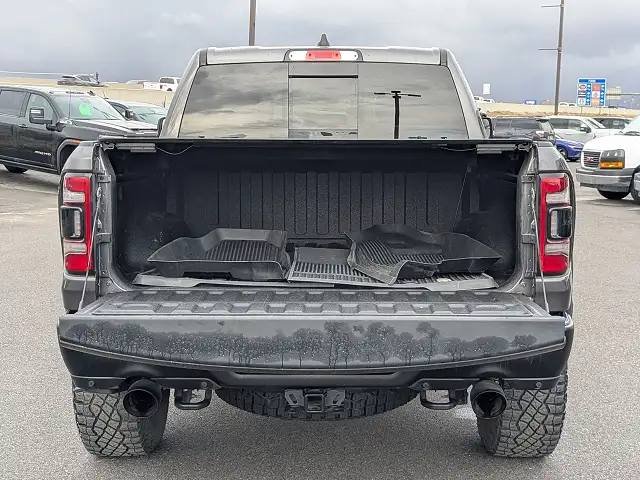
Not every vehicle makes sense to export, and we’ll tell you that honestly rather than talk you into a purchase that doesn’t fit your plan. Trucks and SUVs with strong V8s tend to carry the best resale value relative to shipping cost, since freight doesn’t scale much with engine size but resale value does.
American muscle, Hemi-powered Chargers and Challengers, LS-swapped GM platforms, Coyote-powered Mustangs, exports especially well because the aftermarket support and name recognition exist almost everywhere. German performance sedans and SUVs do well in regions with an established rebuild culture. Where it gets less economical is very low-value, high-mileage economy cars, since freight can end up being a large share of what the vehicle is actually worth once it lands.
If you’re not sure whether a specific model is worth it to export striker cars to your country, ask before you commit. We’d rather spend five minutes on the math with you than have you unhappy with the numbers afterward.
Export Compliance and Age Restrictions
Some countries restrict imports based on vehicle age, engine size, or emissions standards. This is on the receiving end, not something U.S. export law imposes, so it’s worth checking your own country’s rules before you commit to a specific model.
On the U.S. side, exporting a vehicle is legal regardless of title status. What matters to U.S. Customs and Border Protection is accurate paperwork and, for vehicles subject to specific reporting rules, proper filing before the vessel departs. We handle that filing as part of every export sale, so you’re not left figuring out U.S. requirements on your own while also trying to satisfy your destination country’s rules.
If you’ve exported before, you probably already know your country’s restrictions. If this is your first time, ask us and we’ll tell you what we’ve seen work for buyers in your region, though we’d still recommend confirming with your own customs broker since rules do change.
Mistakes First-Time Exporters Make
The biggest mistake is wiring a deposit before seeing real photos or a start-up video. Don’t. Any legitimate seller should show you the actual vehicle running before you commit money.
The second mistake is not confirming your own country’s import rules before buying. We can tell you what U.S. customs and freight forwarders typically need, but your destination country’s duty structure and any age or emissions restrictions are worth checking with your own customs broker first.
The third mistake is underestimating how much cheaper it is to export striker cars in a group. Combining two or three vehicles into a single container often cuts the per-vehicle freight cost significantly, so if you’re on the fence about a second vehicle, ask us about combined shipping before you decide.
How We Price Vehicles We Export
Pricing when we export striker cars comes down to three things: the engine’s condition, the vehicle’s overall mechanical health, and current demand for that specific platform. We don’t price off a generic used-car guide, since those guides assume a clean title and a domestic buyer, neither of which applies here.
A strong, low-mileage engine in a vehicle with cosmetic damage or a branded title is going to be priced well under what the same engine would cost pulled and crated loose, because you’re getting the whole vehicle around it. A rough-running engine gets priced accordingly too, we’re not going to charge premium money for a motor with a known knock or a smoke problem.
We also factor in what we know about demand in different export markets. A platform that’s in high demand in West Africa or the Gulf might carry a slightly different price than the exact same vehicle sold domestically, simply because we know it’ll move fast and reliably to an export buyer. That’s not a markup, it’s just an honest read of the market we’re actually selling into.
A Realistic Example
A recent export: a buyer overseas wanted a specific turbocharged sedan platform for a shop rebuild. The vehicle came in after a moderate collision, airbags deployed, insurer-branded title, but the engine had low mileage and ran clean.
We sent a full photo set and a cold-start video before any money moved. Once the deposit landed, we prepared export documents and coordinated with the buyer’s freight forwarder to book the vehicle on the next available vessel to their port. The buyer had the engine pulled and installed within a month of the vehicle arriving, and came back three months later to export striker cars from us again for a second rebuild.
What to Ask Before You Wire Money
A few questions worth asking any seller when you export striker cars, us included: How many miles are on the engine, and how do they know? Can you see it start on video before you pay? Is there documented accident, flood, or fire history? What exactly comes with the sale? And who’s coordinating with your freight forwarder once payment clears?
We answer every one of these on every listing before you have to ask. If a seller dodges these questions or won’t show the engine running, treat that as a real warning sign.
Common Questions About Exporting Striker Cars
Is it legal to export a vehicle without a U.S. title?
Yes. Customs works from a bill of sale and correct export documentation, not a state title.
Do you handle the freight forwarder relationship, or do I?
Either. We coordinate directly with your forwarder if you have one, or connect you with one we trust if you don’t.
Can I export more than one vehicle at a time?
Yes, and combining vehicles into a single container usually lowers the per-vehicle freight cost.
How long does the whole process take?
From deposit to the vehicle leaving port usually runs one to three weeks, depending on vessel schedules and how quickly documents come together.
Do you offer financing for export buyers?
No. Every sale is cash or wire, which keeps the price honest and the process fast.
Will you help me combine multiple vehicles into one shipment?
Yes. Combining vehicles into a single container is common with our export buyers and usually saves real money on freight.
What happens if my country rejects the vehicle at customs?
This is rare when import rules are checked beforehand, which is exactly why we recommend confirming your country’s age and emissions restrictions before you pay a deposit.
Why Exporters Keep Coming Back
We don’t run a one-and-done operation. A meaningful chunk of our business is repeat exporters, a trading outfit that ordered one vehicle last year and comes back for three or four more once the first shipment proves out.
That kind of repeat business only happens if you don’t burn people the first time. We don’t inflate mileage, we don’t hide damage, and we don’t dress up a rough engine as a strong one just to close a sale faster. Take a look at what’s currently available, including vehicles like this 2022 Dodge Challenger SRT Super Stock and this 2024 GMC Sierra 3500, both of which move well with export buyers.
The Bottom Line
Search “export striker cars” enough times and you’ll find forum threads full of half-answers about whether this is even possible. It is, and it’s a straightforward process once you work with a seller who actually does it regularly instead of treating your order as a first-time experiment.
That’s the whole point of doing this the way we do it: real photos, honest engine condition, and a seller who’s genuinely set up to export striker cars rather than treating your order as a one-off experiment. If you’re shipping to a container yard rather than a RoRo terminal, our breakdown of container striker cars covers that process in more detail.
If you’re ready to talk specifics, reach out and we’ll tell you exactly what’s in stock, what condition it’s in, and what it’ll take to get it to your port, no title required.