To check if a car is stolen, you get the VIN, verify it physically matches the vehicle, then run it through free databases — the NICB theft check, NMVTIS, and INTERPOL for international records — and finally confirm the paperwork lines up. That’s the process in one sentence. Ten minutes of work. how to check if a car is stolen
But there’s more to it than running a number.
Stolen cars don’t always announce themselves. Some are sold with cloned identities. Some are recovered and re-registered under a new number. Some are simply “grey” — no formal theft report, but no clean history either. And in the no-title and striker-car market specifically, “is it stolen?” is the single most common question buyers ask.
This guide walks through the whole process, properly. How to get the VIN, how to verify it physically, which databases to use, what the results mean, what red flags look like, and what to do if the answer is bad.
Let’s start.
Why This Matters More on No-Title Cars
If you’re buying a normal car with a clean title, a theft check is good practice. If you’re buying a car without a title, it’s essential.
The reason is straightforward. A no-title car’s ownership chain is already broken — that’s the whole point. The title is missing, so the paper trail that would normally confirm provenance isn’t there. That means the VIN becomes your only reliable thread. Pull it, and you either confirm the car is legitimate or you find out something important.
The good news: almost all no-title cars are legitimate. Most are insurance write-offs and export inventory. But “most” isn’t “all,” and ten minutes of checking separates the two.
For background on what these cars actually are, see our striker car meaning and no title cars for sale pages.
Step 1: Get the VIN
Everything starts here.
The VIN — vehicle identification number — is a 17-character code that identifies a specific vehicle for its entire life. It’s stamped into the chassis and repeated on a plate visible through the windscreen. The VIN format is internationally standardised, which is what makes global checking possible.
Where to find it:
- On the driver’s side of the dashboard, visible through the windscreen
- On the door jamb sticker (driver’s side)
- On the engine block or firewall
- On the chassis/floor stamp
- On registration documents where available
Before you pay anything, ask the seller for the VIN in writing. If a seller can’t or won’t provide it before a deposit, that’s a hard stop. It costs them nothing to give you.
VINs issued before 1981 are shorter and less standardised. Everything modern is 17 characters. If a “modern” car has a short VIN, ask why.
Step 2: Verify the VIN Physically Matches the Car
This is the step people skip, and it’s the one that catches clones.
A cloned car is one where a stolen vehicle has been given the identity of a legitimate one. The paperwork looks fine. The VIN you were given looks fine. But the car doesn’t match.
So when you inspect, check that the VIN on the vehicle matches the VIN you were given. Look at:
- The dashboard plate
- The door jamb sticker
- The chassis stamp
They should all match, and they should all look original.
What to look for:
- Rivets. VIN plates are usually riveted on. Fresh, shiny or mismatched rivets can indicate a plate swap.
- Stickers. Door jamb VIN stickers should look factory. Peeling, replaced or misaligned stickers are a warning sign.
- Stamping quality. Chassis stamps should look machine-applied, not hand-stamped.
- Paint around the plate. Overspray or fresh paint around a VIN plate can indicate a repair or swap.
A mismatch between the documents and the car is a serious red flag. So is a VIN that looks physically tampered with.
Step 3: Run Free VIN Checks
Now the actual databases. There are several free ones, and they cover different things.
NICB Theft Check
The National Insurance Crime Bureau runs a free VIN check at nicb.org. It checks the VIN against insurance theft records and total-loss records. It’s free, fast, and doesn’t require registration.
This is the single most useful free check for the “is it stolen?” question.
Limitation: it covers vehicles reported stolen and recovered by insurers. A car stolen and never recovered won’t show. A car not insured won’t show.
NMVTIS
The National Motor Vehicle Title Information System aggregates title and brand data across US states. Access is via vehiclehistory.gov or approved providers. It shows title brands — salvage, flood, lemon, rebuilt — and sometimes theft records.
Limitation: coverage varies by state. Some states report more than others.
State DMV Checks
Many US state DMVs offer a VIN lookup, particularly for title status. Useful if the car is registered in that state.
Manufacturer Recalls
Not theft-related, but worth doing. A recall check tells you if outstanding safety work exists.
Important: run at least two checks. No single free database is complete.
Step 4: Check Internationally
If the car has crossed borders — and striker cars usually have — you need international checks too.
INTERPOL maintains a stolen vehicle database covering member countries. It’s free to search via their portal, and it’s the best free tool for cross-border theft records.
This matters if the car came from Europe, Asia, the Middle East or Africa. A car can be clean in the US system and flagged elsewhere.
How to use it: go to the INTERPOL stolen motor vehicles page, enter the VIN, and check the result. A hit means the vehicle is listed as stolen somewhere.
Step 5: Use a Paid History Report
Free checks are good. Paid reports are better, because they aggregate more.
Services like Carfax or AutoCheck pull together title records, accident history, salvage records, odometer readings and sometimes theft data from multiple sources in one report.
What you get that free checks don’t:
- Full title history across states
- Accident and damage records
- Odometer readings over time (catches clocking)
- Service records in some cases
Cost is usually modest — often less than $40. On a car worth thousands, it’s worth it.
Limitation: coverage is US-centric and incomplete for cars that left the US early.
Step 6: Contact the Police
Underused, and genuinely useful.
If you have doubts, contact the local police where the car is and ask them to run the VIN. Many departments will do this for a legitimate buyer. Some will confirm whether the vehicle is on a stolen register.
For higher-value cars, it’s worth the phone call. For a cheap daily, a NICB check plus INTERPOL is usually enough.
Step 7: Check the Paperwork
The last layer. Documents should line up with the car and with each other.
Check:
- VIN on documents matches the VIN on the car.
- Engine number where listed matches.
- Colour, model and year match the description.
- The seller’s identity matches any ownership documents.
- The bill of sale names the car and the VIN accurately.
On a no-title car you won’t have a title to check — but you should still have a bill of sale, and the VIN on it must match the vehicle.
Physical Checks Beyond the VIN
Some theft indicators are physical.
Mismatched paint on panels can indicate a repaired theft recovery.
Missing or altered trim where a VIN sticker should be.
Locks or ignition replaced — common on recovered thefts.
Grinding marks around the VIN stamp — a sign of re-stamping.
A VIN that doesn’t decode correctly. Use a free VIN decoder — the NHTSA VIN decoder is authoritative for US-market cars. If a “2019 BMW” decodes as a 2015 pickup, something’s off.
Odometer inconsistencies. If the car shows 40,000 miles but service records show 90,000, the clock has been wound back.
Red Flags That Suggest a Stolen Car
- Seller can’t produce a VIN before deposit
- VIN plate looks recently riveted or mismatched
- Documents and car don’t match
- Price is far below comparable listings with no explanation
- Seller is vague about where the car came from
- No history at all — no records, no photos of the car in situ
- Car is registered in a different name with no explanation
- Multiple VINs appear on different documents
- VIN doesn’t decode to the correct make, model and year
None of these individually proves theft. Together, they justify caution.
What to Do If the Car Is Stolen
It happens, and it’s not the end of the world.
If the car is flagged as stolen and you haven’t bought it: walk away, or negotiate. A stolen car can still be bought, but you need to know what you’re getting into.
If the car is flagged and you’ve already bought it: the usual outcome is that the insurer or rightful owner has a claim. You may lose the car, or you may be able to negotiate a settlement. Your bill of sale is your protection.
If it’s a clone: the car’s real identity is different from the one on the paperwork. That’s a bigger mess, and it needs sorting before registration.
Practical step: keep your bill of sale, your VIN records, and your check results. Documentation is your defence.
Stolen vs Salvage vs No-Title vs Cloned
These get muddled constantly, so let’s separate them.
Stolen car — taken without the owner’s consent. May or may not be recovered.
Salvage car — written off by an insurer. Has a salvage title of its own category. Not stolen.
No-title car — sold without an ownership document. Not stolen. This is what we sell.
Cloned car — a stolen vehicle given the identity of a legitimate one. The paperwork and the car disagree.
Striker car — our term for a no-title car with trackers removed. Not stolen.
Notice that “striker” and “stolen” are entirely different things, yet they get conflated constantly. That’s a big part of why the market confuses people.
Why Striker Cars Get Wrongly Called Stolen
Three reasons.
The name sounds shifty. “Striker” doesn’t sound like an official category, because it isn’t. It’s trade shorthand. That makes people suspicious.
The price sounds impossible. A Cullinan for $9,000 triggers the “too good to be true” reflex, and the reflex lands on “must be stolen.”
There’s no title. Missing paperwork reads as missing legitimacy to a buyer who doesn’t know the mechanics.
None of those hold up under scrutiny. A striker car has a VIN, passes checks, and registers. The price is low because the process is stripped, not because the provenance is dodgy.
If you want the fuller argument, our are striker cars worth it page addresses the suspicion head-on.
How We Check Our Own Cars
Since it’s relevant, here’s what we do before listing.
- Run the VIN through the major databases
- Review whatever history is available
- Verify the VIN physically
- Photograph the vehicle properly
- Describe condition honestly, including faults
- Provide the VIN freely on request
We’re not perfect and we don’t pretend to be. But we’d rather answer a hundred questions than have a buyer discover something later. Our why buy from us page covers how we handle disclosure, and the red flags to watch for post is worth reading too.
What We’ve Got Right Now
Since you’ll want somewhere to practice all this, here’s a sample of current stock — every one with a checkable VIN.
Exotics: 2023 Lamborghini Huracán Tecnica $12,000 · 2021 Ferrari F8 Spider $8,000 · 2018 McLaren 570S Spider $6,500 · 2020 Bentley Continental GT $8,500
Ultra-luxury: 2023 Rolls-Royce Cullinan $9,000 · 2013 Rolls-Royce Ghost $8,000
Performance sedans: 2021 Audi RS 7 $5,000 · 2019 BMW M5 $3,500 · 2022 Audi RS 5 $2,500
Muscle: 2018 Camaro ZL1 1LE $3,500 · 2020 Dodge Challenger SRT Hellcat $4,500
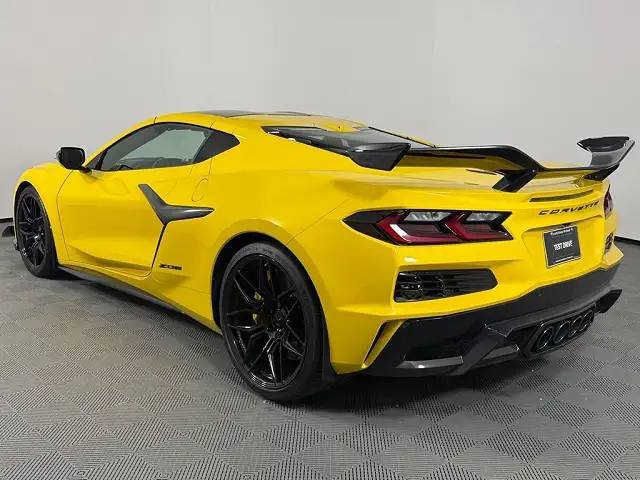
Sports: 2025 Porsche 911 GT3 RS $14,500 · 2023 Chevrolet Corvette Stingray $6,000 · 2020 Nissan GT-R $5,000
SUVs and trucks: 2023 Range Rover $5,500 · 2023 Dodge Ram TRX $6,500
Dailies: 2022 Honda Accord $1,500 · 2020 Infiniti Q50 3.0t $1,500 · 2024 Acura TLX Type S $3,000
Shop by brand: Porsche · Toyota · Nissan · Lexus · McLaren · Lamborghini · Mercedes-Benz · Jeep · Honda
The Ten-Minute Version
If you’re in a hurry:
- Get the VIN.
- Check it physically matches the car.
- Run it through NICB.
- Run it through INTERPOL.
- Decode it via the NHTSA VIN decoder.
- If anything’s unclear, buy a paid history report.
- Check documents match.
- Check for physical tampering.
- Ask the seller where the car came from.
- Walk away if answers are vague.
How to Check if a Car Is Stolen — FAQ
How do I check if a car is stolen for free?
Get the VIN, then run it through the NICB free VIN check and INTERPOL’s stolen vehicle database. Both are free.
What is a VIN check?
A lookup of the vehicle identification number against theft, title and history databases.
Where is the VIN on a car?
Dashboard (visible through the windscreen), driver’s door jamb, engine bay and chassis stamp.
Can a stolen car have a clean VIN?
Yes — if it’s been cloned, the paperwork and VIN look legitimate while the car is stolen.
What does “VIN not found” mean?
It may be too new, too old, or from a market the database doesn’t cover. Try another source.
Do no-title cars show as stolen?
Usually not. They’re typically insurance write-offs, not stolen vehicles.
What if the VIN is tampered with?
Treat it as a serious red flag and investigate before paying.
Can I check a car from another country?
Yes — INTERPOL covers cross-border theft records.
Should I check the police too?
Worth it for higher-value cars.
What documents protect me?
A bill of sale naming the car and VIN, plus your check results.
Final Word
Checking whether a car is stolen takes ten minutes and costs nothing. Get the VIN, verify it physically, run the free databases, and check the paperwork. If everything lines up, you’re fine.
Do it on every car you buy — but especially on a car without a title, where the VIN is the only thread you’ve got.
View all cars for sale → · Deposit wallets → · Are striker cars worth it → · What are striker cars