
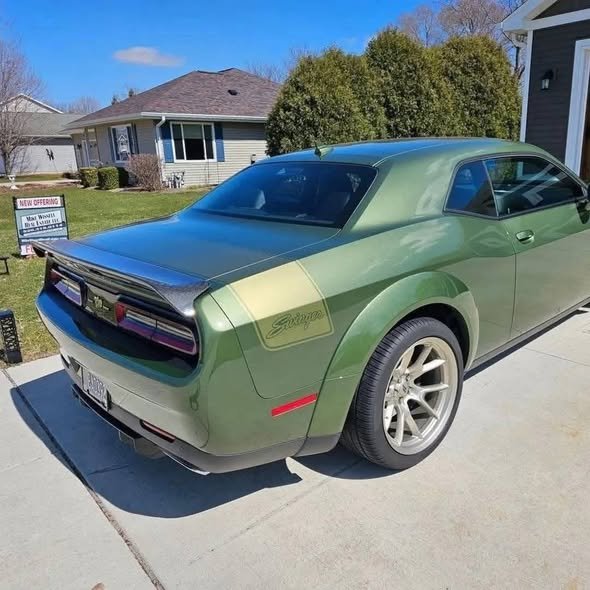
Step-by-Step Guide to Registering a No Title Car: The Striker Cars Method
In the exhilarating world of high-performance automobiles, where every component matters and every detail contributes to the driving experience, encountering a vehicle without a title can feel like hitting a regulatory wall. At Striker Cars, we’ve turned this complex challenge into a streamlined process, helping enthusiasts transform title-less vehicles into legally registered, road-ready machines. This comprehensive guide breaks down every step of the journey, with special insights for the exotic and high-performance vehicles that define the Striker Cars legacy. Step-by-Step Guide to Registering a No Title Car
Understanding the Challenge: Why Registration Without a Title is Complex
Before diving into the step-by-step process, it’s essential to grasp why registering a vehicle without a title presents such a significant hurdle. The title is the foundational document that proves ownership, and without it, registration agencies have no way to verify that you have the legal right to put the vehicle on public roads.
For Striker Cars owners and exotic vehicle enthusiasts, this challenge is amplified. These aren’t just any vehicles—they’re high-value, high-performance machines that attract additional scrutiny from regulatory agencies. The financial stakes are higher, the legal requirements are stricter, and the margin for error is virtually non-existent.
However, a missing title doesn’t have to be a dead end. With the right approach, proper documentation, and systematic execution, you can successfully register your vehicle and join the ranks of legal Striker Cars owners enjoying their machines on open roads around the world.
Step 1: Initial Assessment and Documentation Gathering
Creating a Strong Foundation
The first and most critical step in registering a no-title vehicle is conducting a thorough assessment of your situation and gathering every piece of available documentation. At Striker Cars, we’ve learned that the strength of your initial documentation directly correlates with your chances of success.
Create a Master Document File
- Bill of sale (even handwritten ones)
- Previous registration documents (expired are acceptable)
- Insurance records or declarations
- Maintenance receipts and invoices
- Import documents (if applicable)
- Lien release papers (if previously financed)
- Correspondence with previous owners
- Photographs of the vehicle from all angles
Verify the Vehicle Identification Number (VIN)
The VIN is your vehicle’s fingerprint, and it’s crucial for every step of this process. For Striker Cars vehicles, the VIN is typically located in multiple places:
- Dashboard near the windshield
- Driver’s side door jamb
- Engine compartment
- Frame or chassis (for older models)
Photograph the VIN from every location and compare them to ensure they match. Any discrepancies must be resolved before proceeding.
Research State-Specific Requirements
Registration requirements vary significantly by jurisdiction. Research your specific state’s requirements for no-title vehicle registration. Some states have streamlined processes, while others require extensive legal procedures.
Striker Cars Pro Tip
For exotic vehicles, contact your local DMV or registration agency before starting the process. Some agencies have special procedures for high-value or unusual vehicles that aren’t widely advertised.
Step 2: Establishing a Clear Chain of Ownership
Building Ownership Proof
Registration agencies need to see a clear, unbroken chain of ownership to feel confident issuing registration without a title. This step involves creating a compelling narrative of how you came to possess the vehicle.
Document Your Acquisition
- Date of acquisition
- Person or entity from whom you purchased it
- Purchase price (even if nominal)
- Circumstances of the sale
- Why the title was not available
Locate Previous Owners
If possible, track down previous owners and obtain sworn statements about the vehicle’s history. This is particularly important for classic Striker Cars models that may have changed hands multiple times.
Address Ownership Gaps
Common explanations include:
- Vehicles inherited from deceased relatives
- Project cars purchased from estates
- Vehicles recovered from storage
- Cars purchased from mechanics or repair shops
Create an Ownership Timeline
Develop a visual timeline showing every known owner and transfer of the vehicle. This helps registration officials understand the vehicle’s history at a glance.
Step 3: Conducting a Comprehensive Vehicle Inspection
Inspection Requirements
Most jurisdictions require a thorough inspection before registering a vehicle without a title. This step verifies the vehicle’s identity, condition, and legality.
Schedule a VIN Verification
- Physical inspection of VIN plates
- Matching VIN with documentation
- Confirmation of no tampering
Obtain a Safety Inspection
Most states require a safety inspection before registration. For Striker Cars vehicles, this is particularly important as these high-performance machines must meet strict safety standards.
Document Vehicle Condition
- Current mileage
- Exterior and interior condition
- Mechanical condition
- Modifications or customizations
- Existing damage or issues
Photographic Evidence
- Full vehicle angles
- VIN locations
- Interior and dashboard
- Unique features
- Engine compartment
Step 4: Pursuing a Bonded Title or Surety Bond
Understanding the Bond Process
In many jurisdictions, a bonded title is the most practical solution for registering a vehicle without a title. This involves obtaining a surety bond that protects the state and any future owners against ownership claims.
Bond Requirements
- Bond amount (1.5–2x vehicle value)
- Bond duration (3–5 years)
- Application procedures
- Required documentation
Professional Valuation
For Striker Cars vehicles, professional valuation is crucial.
- Certified appraiser
- Comparable vehicle sales
- Market conditions
- Vehicle rarity and condition
Secure the Bond
- Proof of identity
- Financial information
- Vehicle valuation
- Ownership documentation
Submit Application
- Surety bond documents
- Inspection reports
- VIN verification
- Application fees
Step 5: Navigating the Court-Ordered Title Process
Legal Ownership Resolution
In cases where a bonded title isn’t feasible, a court-ordered title may be necessary.
Legal Steps
- Consult an attorney
- File petition for title
- Submit ownership evidence
- Notify interested parties
Notify Relevant Parties
- Previous owners
- Lienholders
- Heirs or estates
- Insurance companies
Court Process
- Present ownership claim
- Provide documentation
- Witness statements
- Expert testimony
Final Outcome
Obtain a court order confirming ownership for registration purposes.
Step 6: Completing the Registration Application
Required Documents
- Proof of ownership
- VIN verification
- Safety inspection certificate
- Insurance proof
- Identification documents
Application Details
- Vehicle classification
- Weight category
- Usage type
- Special endorsements
Fees to Expect
- Base registration fees
- Weight-based fees
- Luxury taxes (if applicable)
- Title fees
- Processing fees
Submission Methods
- In-person submission
- Certified mail
- Online submission (if available)
Step 7: Post-Registration Considerations
Final Steps After Registration
Once you’ve successfully registered your vehicle, several important steps remain.
Insurance Setup
- Contact exotic vehicle insurers
- Ensure proper coverage
Update Records
- Insurance policies
- Storage details
- Service providers
- Ownership records
Title Cleanup
- Wait for bond expiration
- Apply for clean title
- Resolve remaining issues
Maintain Records
- Registration documents
- Insurance records
- Maintenance logs
- Upgrade history
- Mileage tracking
Special Considerations for Striker Cars Vehicles
High-Performance Ownership Factors
Striker Cars vehicles require extra attention due to their value and performance.
Key Considerations
- Higher insurance requirements
- Strict compliance checks
- Detailed documentation
- Professional inspections
Owning and registering a Striker Car without a title is complex, but with the right process, it becomes achievable.