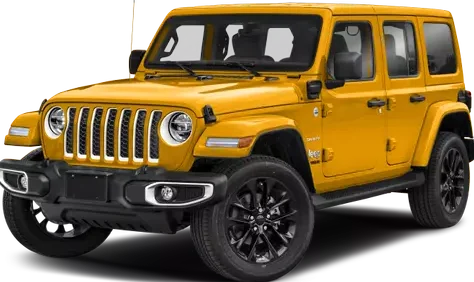
If you’re outside the United States and you’ve been searching “international no title cars” trying to figure out whether you can actually buy one and get it home, you can. We’re Striker Cars, and we sell running vehicles on a bill of sale instead of a state title, priced around what the engine and drivetrain are worth once you strip the paperwork premium out of the number.
We ship internationally every week. Buyers in the Gulf, West Africa, Eastern Europe, the Caribbean, and Southeast Asia all move engines and whole vehicles through exactly this kind of sale, because a strong V8 or a healthy turbo four doesn’t need a U.S. title to be worth something on the other side of an ocean.
Table of Contents
Why “International No Title Cars” Is Even a Search Term
Search it and you mostly get forum threads full of half-answers and legal disclaimers. What you don’t find often is a seller who actually has international no title cars in stock and is willing to say plainly how the whole thing works.
The short version: a U.S. title is a state-issued document. It has nothing to do with whether a vehicle can legally leave the country. What customs and freight companies actually want is a bill of sale and correct export paperwork, and that’s exactly what comes with every striker car we sell.
What a Striker Car Actually Is
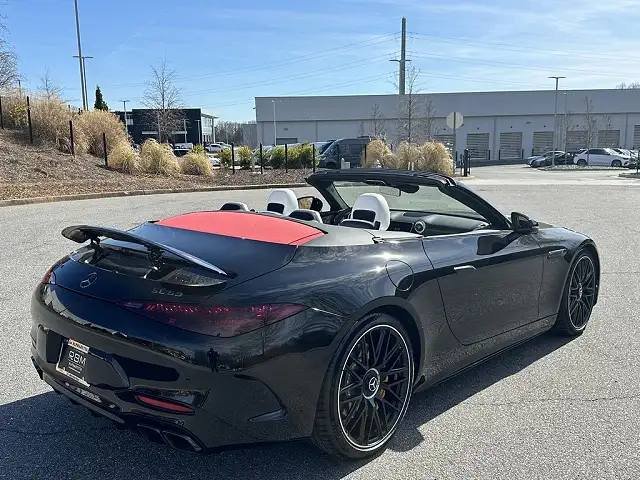
A striker car is a vehicle sold on a bill of sale instead of a state title. No pink slip, no registration paperwork baked into the price. You’re buying the frame, the interior, and above all the engine, priced the way it should be priced when nobody’s charging a markup for documents.
It isn’t a nicer word for junk. We’ve moved Mercedes-AMG models, BMW M cars, Corvettes, Rams, and plenty of ordinary Hondas and Toyotas this way. Mechanical condition ranges from rough to genuinely excellent. What ties them together is how the sale happens, not the badge.
Who Actually Buys International No Title Cars
Three groups, mostly. Independent mechanics and repair shops overseas who’d rather import a whole running vehicle than gamble on a loose engine from a broker with no start-up video. Small export outfits who buy three or four vehicles at a time and resell them once they land. And individual buyers who found a strong-engine vehicle at a fair price and don’t care that the paperwork is a bill of sale instead of a title.
All three want the same three things: real photos, an honest description of the vehicle’s condition, and a price that actually reflects the engine underneath it. Very few of them are first-time car buyers, most have imported before, know roughly what freight should cost, and can tell within a few messages whether a seller of international no title cars actually knows what they’re doing.
The Engine Is the Product, the Title Is Just Paper
Here’s what most listings never say directly: the engine is doing nearly all the work in the price. A striker car with a strong, low-mileage motor and a messy title situation typically costs a fraction of what that same engine would cost pulled and crated from a dismantler, and you get a whole vehicle wrapped around it.
We test what we can before anything goes up for sale, compression where it’s practical, a cold-start video on request, an honest note about any smoke, knock, or leak we noticed. If something’s wrong, we say so and price it accordingly. Most of what moves through here doesn’t have anything wrong with it beyond needing a wash.
How International Buying Works, Start to Finish
The process is more straightforward than most first-time international buyers expect.
First, tell us what you want, a make, a model, an engine platform, a budget. We’ll tell you honestly what we’ve got and what condition it’s actually in.
Second, we send real photos and, on request, video of the engine running. No stock images. If we don’t have current pictures of the exact unit, we say so instead of reusing an old listing.
Third, once you’re comfortable, we agree on a price and take a deposit, usually by wire. No financing, no credit checks, no dealership add-ons hidden in the paperwork.
Fourth, we prepare the export documents and hand the vehicle to your freight forwarder or ours, depending on your destination port. We’ve done this enough times to walk a first-time importer through every step.
Shipping Methods: RoRo, Container, and What We Actually Use
Vehicles heading overseas generally move one of two ways. Roll-on/roll-off, where the car is driven directly onto a specialized vessel, or containerized, where it’s loaded and secured inside a shipping container. Which one makes sense for international no title cars depends on the destination port, the vehicle’s value, and how much the buyer wants to protect it from weather and handling during transit.
RoRo is usually cheaper and faster to schedule. Container shipping costs more but protects the vehicle better and lets a buyer add parts, wheels, or a second vehicle into the same load. We’ll tell you honestly which option fits your situation instead of pushing whichever is easiest for us.
Customs, Bills of Lading, and What You’ll Actually Need
Every shipment needs a bill of lading, the shipping document that proves ownership and lets you claim the vehicle at the destination port. Beyond that, you’ll need our bill of sale, and depending on your country, possibly an import permit or duty payment handled on your end.
None of this requires a U.S. title. We’ve shipped international no title cars to dozens of countries, and in every single case, customs asked for export paperwork and a bill of sale, never a state title. If your country has specific import rules, tell us before you pay so we can prepare documents that actually match what your port requires.
Regions We Ship To Most
For buyers who want the full trust-and-verification side of an overseas no title vehicles purchase, we cover that separately in more depth. We move the most volume to the Gulf region, West Africa, and the Caribbean, followed closely by Eastern Europe and parts of Southeast Asia. Buyers in these regions tend to know exactly what they want, often a specific engine platform for a shop, or a specific model that resells well locally.
That said, we’ve shipped international no title cars to plenty of one-off destinations too. If your country isn’t on our usual list, that doesn’t mean we can’t get a vehicle there, it usually just means the freight quote takes an extra day to put together.
Certain engine platforms move faster in certain regions. American V8s, the Hemi, the LS-family, the Coyote, tend to sell fastest in the Gulf and West Africa, where they’re valued for durability and easy parts sourcing even without local dealer support. German turbo engines out of BMWs and Mercedes move well in Eastern Europe, where there’s an established aftermarket for rebuilding and reselling them. Japanese and Korean daily drivers move steadily everywhere, since parts and mechanics familiar with them exist almost worldwide.
Which Vehicles Move Best for International Buyers
Not every vehicle makes sense to ship overseas, and we’ll tell you that honestly rather than talk you into a purchase that doesn’t fit your plan. Trucks and SUVs with strong V8s tend to have the best resale value relative to shipping cost, since the freight cost per vehicle doesn’t scale much with engine size but the resale value does.
Sedans and coupes with sought-after turbo or performance engines also do well, especially when a buyer is targeting a specific platform for a shop rebuild rather than a daily driver. Where it gets less economical is with very low-value, high-mileage economy cars, the freight cost can end up being a large percentage of what the vehicle is actually worth once it lands, so we’ll say so if that’s the situation rather than just take the order.
If you’re not sure whether a specific model makes sense to ship to your country, ask before you commit. We’d rather spend five minutes talking through the math with you than have you unhappy with the economics after the fact.
Costs to Expect Beyond the Vehicle Price
The vehicle price is only part of what lands on your end. Freight is the biggest additional line item, and it varies a lot depending on your destination port, the shipping method, and current vessel availability. We quote this separately and honestly, rather than folding a padded number into the sale price.
Beyond freight, most buyers of international no title cars also budget for destination port fees, customs duties or import taxes set by their own country, and sometimes a local agent or broker to clear the vehicle once it lands. None of these are fees we collect, they’re paid to your country’s port authority or customs office, and the amounts differ enormously from one country to the next.
Insurance during transit is optional in most cases but worth considering for higher-value vehicles. We can point you toward marine cargo insurance options if you want that extra layer, though it’s ultimately your call based on the vehicle’s value and how comfortable you are with the risk.
A rough rule of thumb: budget somewhere between fifteen and thirty percent of the vehicle price for freight and destination fees combined, though that range swings depending on your specific port and country. We’ll give you an actual number before you commit, not a vague estimate.
Documents You’ll Actually Receive
Every sale includes a signed bill of sale with the vehicle identification number, sale price, and both parties’ information. That’s the core document customs and freight forwarders work from for international no title cars.
Beyond that, what else you get depends on the vehicle’s history. Sometimes there’s a salvage certificate or an insurance total-loss letter. Sometimes there’s genuinely nothing beyond our own sale record, and we tell you that upfront instead of implying otherwise. We also provide the bill of lading once the vehicle is booked on a vessel, which is the document you’ll use to claim it at the destination port.
If your country’s customs office needs something specific, an export certificate, a notarized statement, a particular form, tell us before you pay. We’ve supported enough of these transactions to know what different agencies typically want, and we’d rather sort that out in advance than have a shipment stall at a port because paperwork is missing.
Mistakes International Buyers Make
The biggest mistake is wiring a deposit before seeing real photos or a start-up video. Don’t. Any legitimate seller, us included, should show you the actual vehicle running before you commit money.
The second mistake is not confirming import rules on your end before you buy. We can tell you what customs typically asks for, but every country’s duty structure and import restrictions are different, and it’s worth a quick check with your own customs broker before the vehicle ships.
The third mistake is assuming the cheapest freight quote is the best one. A quote that’s dramatically lower than everything else usually means a slower vessel, a less secure loading method, or a forwarder who’s new and still figuring out the paperwork.
The fourth mistake, and it’s a common one, is not asking what happens if the vehicle fails a destination inspection. Some countries have age limits or emissions rules that affect certain vehicles. It’s worth checking your own country’s import rules before you commit to a specific model, rather than finding out after a deposit is already down.
A Realistic Example
A recent sale: a small export outfit in West Africa ordered three vehicles in one batch, a pickup, a sedan, and a coupe with a strong turbo six. Two came in after collisions, one after a repossession. None had a clean title.
We sent start-up videos and full photo sets on all three before any money moved. Once the deposit landed, we prepared export paperwork and coordinated with their freight forwarder to load all three into a single container, which cut their per-vehicle shipping cost significantly compared to shipping them separately.
What to Ask Any Seller Before You Wire Money
A few questions worth asking any seller of international no title cars, us included: How many miles are on the engine, and how do they know? Can you see it start on video before you pay? Is there documented accident, flood, or fire history? What exactly comes with the sale? And who handles the freight forwarder relationship on your end versus theirs?
We answer every one of these on every listing before you have to ask. If a seller won’t show you the engine running or gets vague about what documents you’ll actually receive, treat that as a warning sign.

Common Questions About International No Title Cars
Do I need a U.S. title to import a vehicle?
No. Export paperwork and a bill of sale are what customs actually requires in the vast majority of countries we ship to.
How long does shipping take?
It depends on the route and method, but most RoRo shipments land in three to six weeks, containers can take a little longer depending on the port.
Can I buy more than one vehicle in a single shipment?
Yes, and combining vehicles into one container often lowers the per-vehicle freight cost.
What if my country has specific import restrictions?
Tell us before you pay. We’ll prepare documents to match what your customs office actually needs.
Do you offer financing for international buyers?
No. Every sale is cash or wire. That keeps the price honest and the process fast.
Can you ship to a freight forwarder I already work with?
Yes. We coordinate with your forwarder directly if you already have one, or connect you with one we’ve worked with before if you don’t.
What happens if a vehicle is damaged during shipping?
That’s between you, the carrier, and your insurance if you purchased marine cargo coverage. We document the vehicle’s condition thoroughly before it ships specifically so there’s a clear record if a dispute ever comes up.
Why Buyers Keep Coming Back
We don’t run a one-and-done operation. A meaningful chunk of our business is repeat international buyers, a shop that ordered one engine platform last year and comes back for three more once the first batch proves out, an export outfit that trusts our photos enough to buy without seeing the vehicle in person.
That kind of repeat business only happens if you don’t burn people the first time. We don’t inflate mileage, we don’t hide damage, and we don’t dress up a rough engine as a strong one to close a sale faster. Take a look at what’s currently available, including vehicles like this 2023 Rolls-Royce Cullinan and this 2024 Lamborghini Urus S, both of which have shipped to international buyers before.
The Bottom Line
Search “international no title cars” enough times and you’ll find plenty of forum speculation about whether this is even legal. It is. What you won’t find as often is a seller willing to walk you through the actual process, honestly, from photos to freight.
That’s what a striker car is, and that’s what we sell, whether the buyer is twenty minutes away or on the other side of an ocean. International no title cars aren’t a gray-market shortcut, they’re a straightforward sale, documented honestly, priced around the engine, and shipped the same way legitimate freight moves every day.
If you’re based in the U.S. and shipping domestically first, our guide to no title cars in New York covers the same process from a different angle. If you’re ready to talk specifics, reach out and we’ll tell you exactly what’s in stock, what condition it’s in, and what it’ll take to get it to your port, no title required.