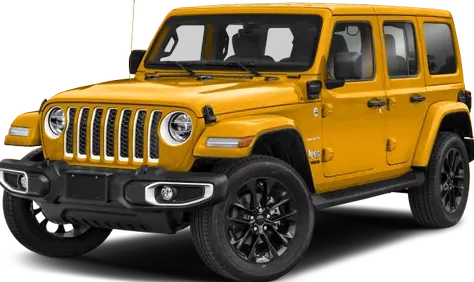
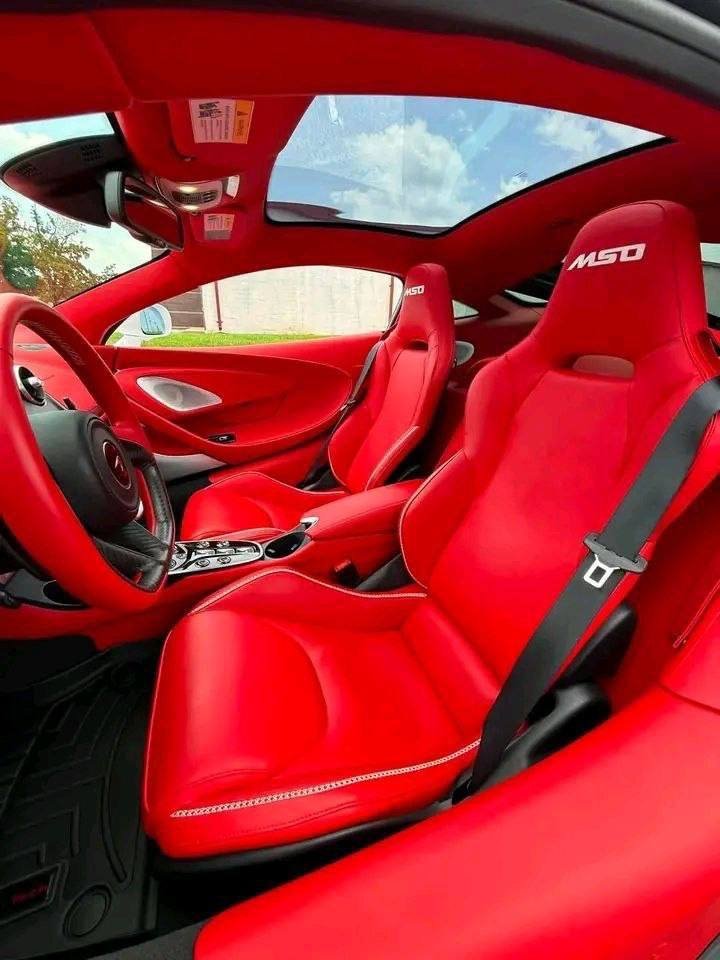
Striker cars vs clean title is the decision that sits underneath every no-title purchase. Everything else — the deposit, the shipping, the inspection — is detail. This is the actual choice: do you buy the cheap car with the paperwork problem, or the dearer car with the clean document?
It’s worth taking seriously, because both answers are defensible and the wrong one is expensive in different ways depending on who you are.
So this is a proper comparison. Price, paperwork, registration, insurance, finance, resale, risk, and a five-year cost worked out in full. No side is flattered. By the end you should know which one suits you, and that’s the only useful outcome.
All fourteen Camaros are at the end, as usual.
First — What Each Term Means
Precision matters here, because both phrases get used loosely.
A clean title is a title with no adverse brand on it. The car has been titled normally, has no salvage, flood, rebuilt or lemon marker, and no unresolved lien. It’s the default state of a normal used car.
A striker car is a car sold on a bill of sale instead of a title. It has an intact VIN, runs, and is priced around what the mechanicals are worth once the paperwork premium is removed.
The two aren’t opposites in the way people assume. A striker car isn’t the opposite of a clean title — it’s a car whose title status is unresolved or absent, usually because it came through the insurance write-off and export pipeline.
Worth noting: our own what are striker cars page describes striker cars as possibly stolen or fraudulently papered, then explains why they aren’t. Both readings are common in the trade. This page settles it.
Why the Comparison Matters
Because the gap is thousands of pounds or dollars.
On a $25,000 clean-title Camaro, the striker equivalent is a $3,000 car. That’s not a small discount — it’s a different purchase entirely. Which means the comparison isn’t really “which is better,” it’s “is the saving worth the work and the risk.”
For some buyers it emphatically is. For others it emphatically isn’t. The point of this page is to help you decide which you are.
The Side-by-Side
| Striker car | Clean title | |
|---|---|---|
| Price | 30–50% below market | Full market |
| Paperwork you receive | Bill of sale | Title, signed over |
| Registration | Bonded title or local route | Straight to DMV |
| Time to register | Weeks | Days |
| Insurance | On the VIN, specialist | Standard |
| Finance | Cash | Bank possible |
| Resale | Discounted pool | Full market |
| Repossession risk | None (if paid outright) | None (if paid outright) |
| Stolen risk | Must be verified | Must be verified |
| Warranty | None | None (private) or dealer |
| Effort required | High | Low |
| Total cost over 5 years | Much lower | Much higher |
Read that table honestly and the trade is obvious: striker cars cost you effort, clean titles cost you money.
Price — The Gap
Let me put real numbers on it rather than percentages.
A 2021 Camaro ZL1 with 26,000 miles is roughly a $60,000–$70,000 car new and still a serious five-figure sum used in most markets. Ours is $5,500.
A 2023 Rolls-Royce Cullinan is a $400,000 SUV. Ours is $9,000.
A 2025 Porsche 911 GT3 RS is a $250,000 car with an allocation queue. Ours is $14,500.
Those aren’t 30% discounts. They’re 80–95% discounts, because the striker discount stacks on top of depreciation, on top of the absence of dealer margin, on top of the export-channel sourcing.
A clean-title equivalent of any of those is a fundamentally different financial commitment.
Paperwork — What You Actually Get
Clean title: a state-issued ownership document, signed over to you. You take it to the DMV. Done.
Striker car: a bill of sale naming buyer, seller, vehicle, VIN, price and date. Plus export documents if it’s shipping.
What you don’t get: a title.
What that means: you become responsible for creating one. Bonded title, local import registration, or your country’s equivalent.
Is a bill of sale legally sufficient? Yes, to transfer ownership. See Wikipedia: bill of sale. It is not sufficient to register immediately, which is the gap you’re bridging.
Registration — Both Work, Differently
Clean title: walk in, hand over the document, pay the fee, get plates. An afternoon.
Striker car: bonded title application, appraisal, surety bond, VIN inspection, wait, receive title, then register. Weeks and a few hundred pounds or dollars.
But it does work. Every jurisdiction has a route. Full detail on how to get a title for a car without one and how to register a no title car.
The honest framing: a clean title saves you a fortnight and $200–$400. A striker car saves you $20,000. That’s the trade.
Insurance — The Real Difference
Clean title: standard insurers, standard process, no explanation needed.
Striker car: you insure on the VIN, usually with a specialist. Some mainstream insurers decline. Premiums are often higher.
The bigger issue is payout. On a total loss, insurers pay market value. A striker car with no title may be valued lower than a clean-title equivalent — and on an expensive car that’s a real gap.
Fix: agreed-value policies. Fix the payout at a stated figure before anything happens.
Get quotes before you buy, not after.
Financing — Cash vs Bank
Clean title: banks will lend against it. Rates from 6–12% depending on credit.
Striker car: banks mostly won’t. You pay cash, or take an unsecured personal loan.
That’s a genuine limitation. If you can’t raise the money, a clean title is your only option. See no credit check car buying for the alternatives.
Resale — The Discount Passes Through
Here’s the bit people get wrong.
Buy a striker car at 80% off and you sell at 80% off. You don’t “lose” the discount — you pass it on. The car is permanently discounted.
What that means practically:
- Hold it three years — the discount you captured dwarfs the resale drag. You win.
- Flip in six months — the drag is more visible.
- Buy at near-clean money — you lose, because you paid for a discount you didn’t get.
A clean title resells faster and to a wider pool. A striker car resells slower but at the same relative discount.
Risk — Honestly
Striker car risks: paperwork effort, registration hurdles, insurance friction, resale drag, stolen risk if unverified, and no warranty.
Clean title risks: you pay full market, you still have no warranty on a private sale, and — importantly — a clean title does not mean a good car. It means clean paperwork.
That last point is underrated. A clean title tells you nothing about whether the car has been crashed, clocked, flooded or abused. It’s a document, not an inspection.
What a Clean Title Protects You From
- Registration hassle
- Insurance friction
- Financing difficulty
- Resale drag
- The general suspicion of buyers
That’s a real list. Don’t dismiss it.
What a Clean Title Does NOT Protect You From
- A crashed and badly repaired car
- A clocked odometer
- Flood damage
- A stolen car (titles can be cloned)
- Mechanical neglect
- A lien that surfaces later
- A car that’s simply bad
A clean title is paperwork. It’s not a warranty and it’s not an inspection. Anyone buying on the strength of a title alone is buying blind.
What a Striker Car Gives You a Clean Title Doesn’t
- Access to cars you couldn’t otherwise afford. A GT3 RS for $14,500.
- Access to cars not sold locally. Much of our stock doesn’t exist in most markets.
- No finance, no interest, no credit check.
- No monthly commitment.
- Nothing to repossess.
- A parts-value floor if all else fails.
The Grey Zone — When a Clean Title Isn’t Clean
Worth a section, because “clean title” is treated as a guarantee and isn’t one.
Cloned titles. A stolen car presented with a genuine title from a similar car. The VIN is re-stamped to match. It looks perfect. Only a VIN inspection and database check catches it.
Washed titles. A salvage car moved between states until the brand drops off the record. Now it has a “clean” title that hides a write-off.
Branded titles sold as clean. Rebuilt, flood and lemon brands all reduce value. Some sellers “forget” to mention them.
Lien titles. The document exists but a lender has a claim.
So when someone says “clean title, no issues,” the answer is: show me the VIN and let me check it. See how to check if a car is stolen.
The Middle Ground — Bonded and Rebuilt Titles
There’s a spectrum, not a binary.
- Clean title — no brand, no issue
- Bonded title — title issued against a surety bond
- Rebuilt title — previously written off, repaired, inspected, branded
- Salvage title — written off, not repaired
- Striker car — sold on a bill of sale, no title at all
A bonded or rebuilt title sits between the two poles and costs maybe 20–30% of value. It’s a reasonable compromise if full striker status feels like too much.
See rebuilt title cars for sale and how to title an untitled car.
Total Cost Over Five Years — Worked Example
Let’s do this properly with a real-world comparison.
Option A — Clean title 2021 Camaro ZL1, $45,000, financed at 8% over 5 years:
- Repayments: ~$54,700
- Interest: ~$9,700
- Insurance (5 yrs): ~$9,000
- Maintenance (5 yrs): ~$4,500
- Registration: ~$500
- Total: ~$68,700
- Residual after 5 years: ~$30,000
- Net cost: ~$38,700
Option B — Striker Camaro ZL1, $5,500, cash, bonded title:
- Purchase: $5,500
- Shipping/duty: ~$2,000
- Bonded title: ~$350
- Insurance (5 yrs): ~$6,000
- Maintenance (5 yrs): ~$4,500
- Registration: ~$500
- Total: ~$18,850
- Residual after 5 years: ~$4,000
- Net cost: ~$14,850
Difference in net cost: roughly $24,000 over five years.
That’s the comparison in one number. It assumes you can raise $5,500 in cash and do a fortnight of paperwork.
Which Should You Buy?
Buy the clean title if:
- You need to finance it
- You need it registered this week
- You can’t be bothered with paperwork
- You’re buying a car where the striker discount is small
- You’ll sell within a year
- You want the simplest possible insurance
Buy the striker car if:
- You can pay cash
- You can wait
- You’ll do the titling work or pay someone to
- You’re keeping it a while
- The discount is large in absolute terms
- You’ll verify the VIN properly
Buy neither if you can’t inspect and can’t verify. Both routes fail on an unverified car.
The Arguments Against Striker Cars, Answered
“They’re stolen.” Usually not. Check the VIN.
“You can never register one.” You can. Bonded title or local route.
“No insurer will touch it.” Specialists will.
“You can’t sell it.” You can, at the discount.
“It’s a wreck.” Some are. Many aren’t.
“It’s a scam.” The model isn’t. Individual sellers can be.
The Arguments For Clean Titles, Honestly
“It’s simple.” True.
“It’s fast.” True.
“Banks accept it.” True.
“It resells easily.” True.
“No one questions it.” True, and worth something.
All fair. A clean title is the easy path. It just costs.
A Note on Our Own Definition
Our what are striker cars page opens by saying striker cars are “typically… stolen vehicles… sold with fraudulent paperwork” and then explains that they’re actually no-title cars.
Both are true depending on who’s talking, but it’s confusing for a first-time buyer. This page’s definition is the one to work from: a striker car is a car sold on a bill of sale instead of a title, with an intact VIN.
The VIN Checks — Both Routes
Whatever you buy:
- Photograph the VIN plate and chassis stamp
- Decode via the NHTSA VIN decoder
- Stolen check via NICB and INTERPOL
- History via NMVTIS
A clean title without a VIN check is half a check.
Every Camaro We Have in Stock
Fourteen Camaros, every one a no-title striker car with an intact, checkable VIN. From $2,800.
The ZL1s — Seven Supercharged Monsters
The 2018 Camaro ZL1 1LE at $3,500 with 39,000 miles — 650hp and an extreme track package.
The 2013 Chevrolet Camaro ZL1 Coupe at $3,500 with 39,000 miles.
The 2023 Chevrolet Camaro ZL1 at $5,000 with just 17,000 miles.
The 2023 Chevrolet Camaro ZL1 Coupe 2D at $5,000 with 31,000 miles.
The 2021 Camaro ZL1 at $5,500 with 26,000 miles.
Plus two at $5,000 each: the 2022 ZL1 and the 2022 ZL1.
The SS and LT1 — The V8 Sweet Spot
The 2023 Camaro SS at $3,000 with 27,000 miles.
The 2023 Camaro SS at $5,500.
The 2016 Camaro 2SS at $3,000 with 27,000 miles.
The 2018 Camaro LT1 at $4,000 with 24,000 miles.
The 2022 Chevrolet Camaro LT1 Coupe at $5,000.
The RS and the Cheapest One
The 2022 Camaro RS at $5,000 with 21,000 miles.
And the cheapest car we have: the Chevy Camaro Striker car at $2,800.
Full write-up on cheap Camaro for sale.
Other Cars — All Striker, All VIN-Checkable
Muscle: the 2021 Dodge Charger SRT Demon at $5,000, the 2020 Dodge Challenger SRT Hellcat at $4,500, the 2025 Ford Mustang GT at $5,000. See cheap Hellcat for sale.
Exotic: the 2025 Porsche 911 GT3 RS at $14,500 or the 2023 Rolls-Royce Cullinan at $9,000. See cheap Porsche 911 for sale and luxury cars for sale under $10,000.
Trucks: the 2021 Dodge Ram at $6,000. See trucks & SUVs for sale.
Wider market at affordable striker cars and the full inventory.
Striker Cars vs Clean Title — FAQ
Is a striker car better than a clean title?
Cheaper, yes. Easier, no. It depends whether your time or your money is scarcer.
How much cheaper?
30–50% below the already-depreciated market, often more in absolute terms.
Can you register a striker car?
Yes, via a bonded title or local import route.
Can you insure one?
Yes, on the VIN, usually with a specialist.
Can you finance one?
Rarely. Cash is normal.
Does a clean title mean a good car?
No. It means clean paperwork.
Can a clean title hide a write-off?
Yes — title washing exists.
Which resells better?
A clean title, faster and to a wider pool. A striker car sells at the same relative discount.
What’s the total cost difference?
In the worked example above, roughly $24,000 over five years in favour of the striker car.
Which should I buy?
Clean title if you need finance, speed and simplicity. Striker if you have cash, patience and a big discount.
What’s the deposit?
$1,000 in USDT or Bitcoin. See deposit wallets.
Sources
- Wikipedia — Vehicle title
- Wikipedia — Bonded title
- Wikipedia — Salvage title
- Wikipedia — Bill of sale
- NICB — VIN check
- NHTSA — VIN decoder
- NMVTIS — National Motor Vehicle Title Information System
Final Word
Striker cars and clean titles aren’t better or worse than each other. They’re priced differently because they demand different things from you.
A clean title costs you roughly $24,000 more over five years and saves you a fortnight. A striker car costs you a fortnight and saves you roughly $24,000.
If your time is worth more than that, buy the title. If it isn’t, buy the car — and verify the VIN either way.
Fourteen Camaros in stock from $2,800, all with intact VINs.
Are striker cars worth it → · Buy a car with no title → · Full inventory → · Contact